#1 Fashion Trend: The Rise of Virtual Couture
In 2026, the world of fashion will feel more alive and accessible than ever before, thanks to a trend that will soon become known as Virtual Couture. Picture this: instead of traveling across continents to see a runway show, you’ll slip on a sleek VR headset and suddenly find yourself front row at the most talked-about fashion events on the planet. Every stitch, shade, and silhouette will be brought to life in ultra-realistic detail, right before your eyes.
You’ll be able to interact with designers and other fashion lovers through your digital persona, discovering collections in a space that dissolves the line between your physical reality and your style dreams. If you’re curious about how a jacket would look in cobalt blue or how a skirt might feel with a subtler print, you’ll experiment instantly, without any waste or guesswork. It’s the ultimate way to make your wardrobe uniquely yours.
Virtual Couture will also mean fewer materials wasted on samples and fewer environmental costs from shipping garments around the globe. By embracing these digital spaces, we’ll support more sustainable practices and encourage creativity to flourish beyond old boundaries. Designers, freed from the constraints of traditional production, will think bigger and bolder, delivering innovative looks that push the limits of what we imagine fashion can be.
In 2026, dressing up will become a grand adventure, with every collection at your fingertips. Welcome to a world where fashion is no longer just something you wear, it’s something you truly experience.
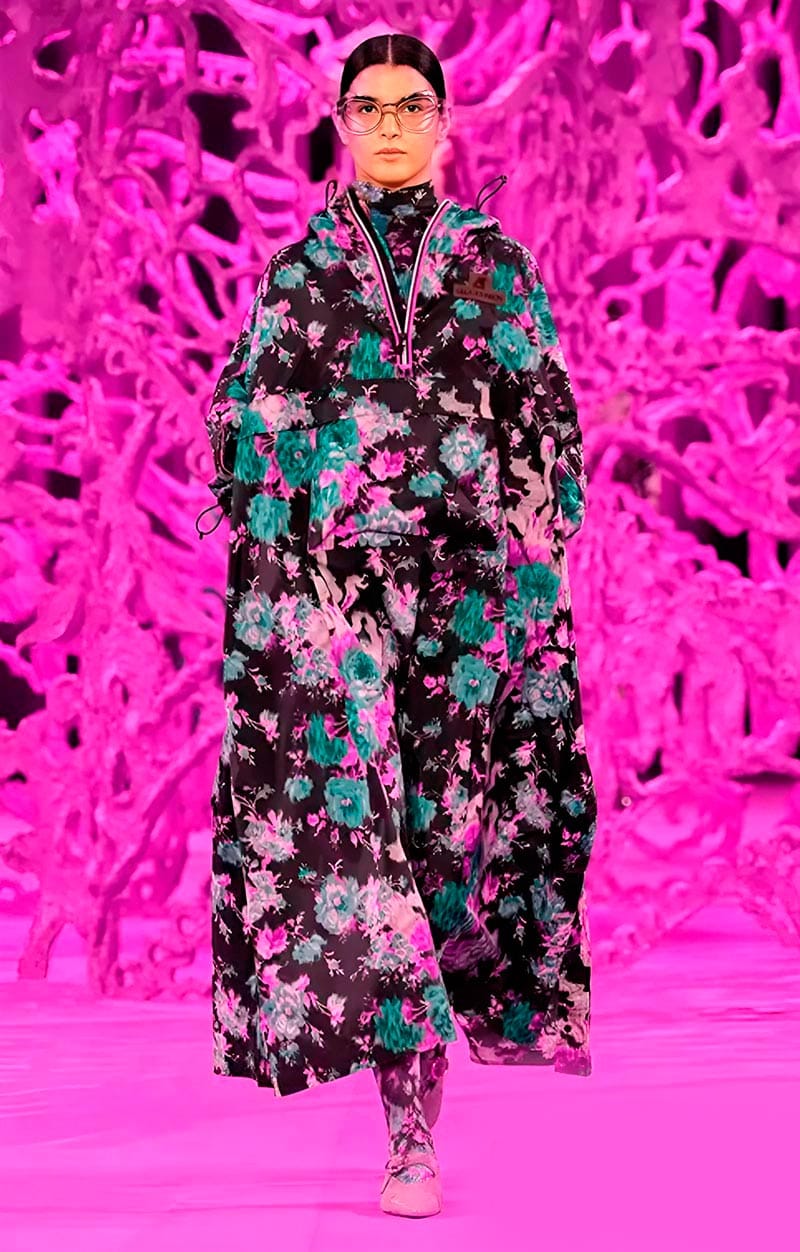
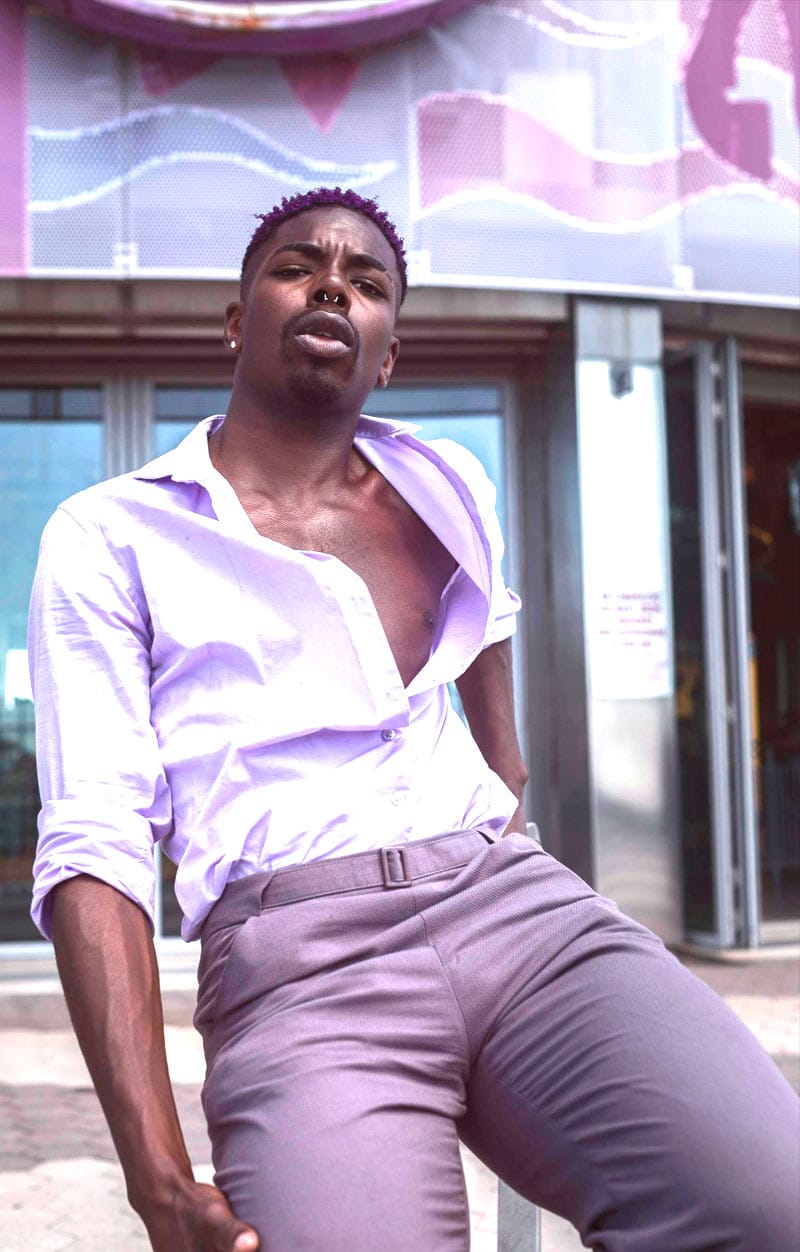
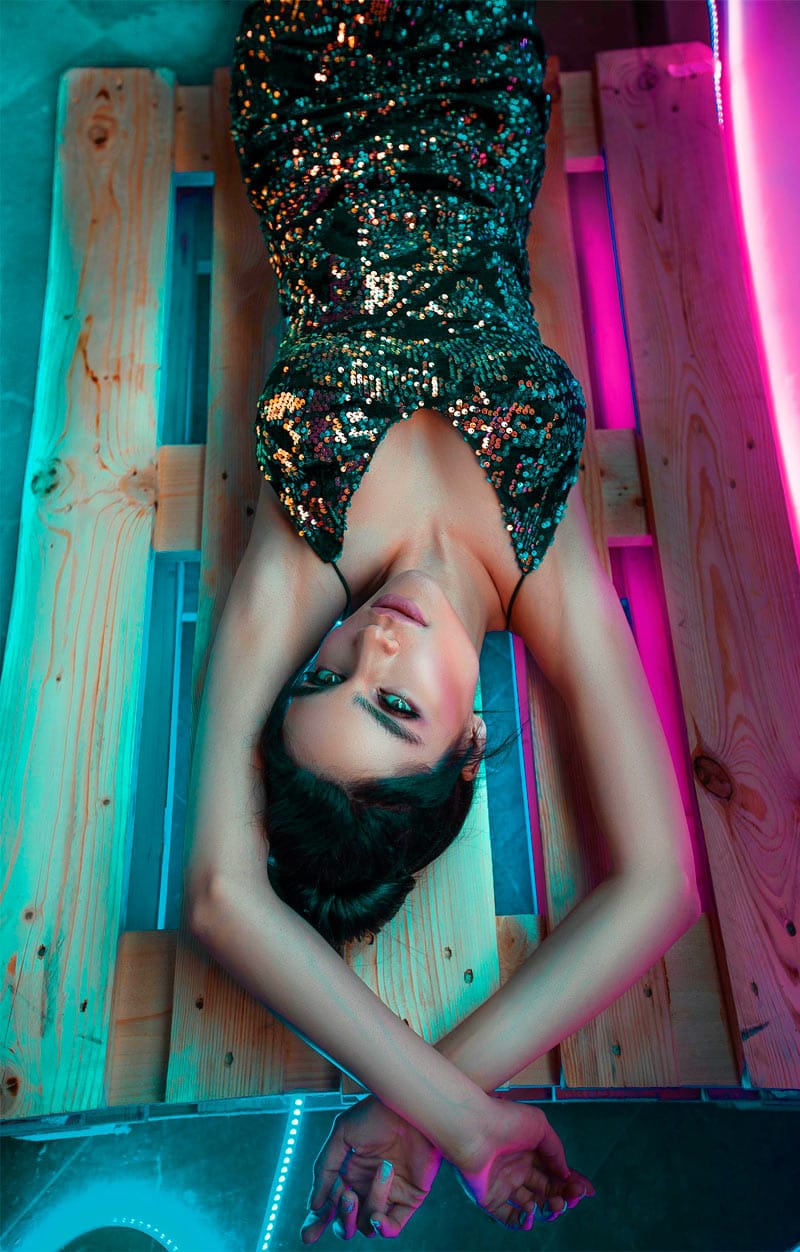
Virtual Couture refers to high fashion designs that exist primarily in digital environments rather than as physical garments. Designers craft exquisite, often avant-garde pieces using 3D modeling, augmented reality, and other digital tools. Shoppers can “wear” these garments in virtual spaces, social media platforms, or gaming worlds, expanding the notion of what it means to own and experience luxury fashion in a fully immersive, digital-first era.
Instead of being confined to your closet, Virtual Couture pieces are typically showcased and worn within digital platforms. You might incorporate these designs into your personal avatar’s wardrobe in virtual reality environments, pose with them in augmented reality filters for social media content, or even experiment with new looks in fashion-forward metaverse experiences. The result is a more fluid form of style expression, unrestricted by the limitations of the physical world.
While Virtual Couture is gaining momentum, it’s not likely to replace traditional fashion entirely. Rather, it complements the industry by offering new avenues for creativity, self-expression, and brand engagement. Physical garments will remain significant for practicality, comfort, and craftsmanship, while virtual pieces add a new dimension, enabling consumers to explore uncharted territory in personal style. In the future, both physical and digital wardrobes can coexist, enriching how we discover, share, and enjoy fashion.
#2 Fashion Trend 2026: Celebrating Sustainable Luxury
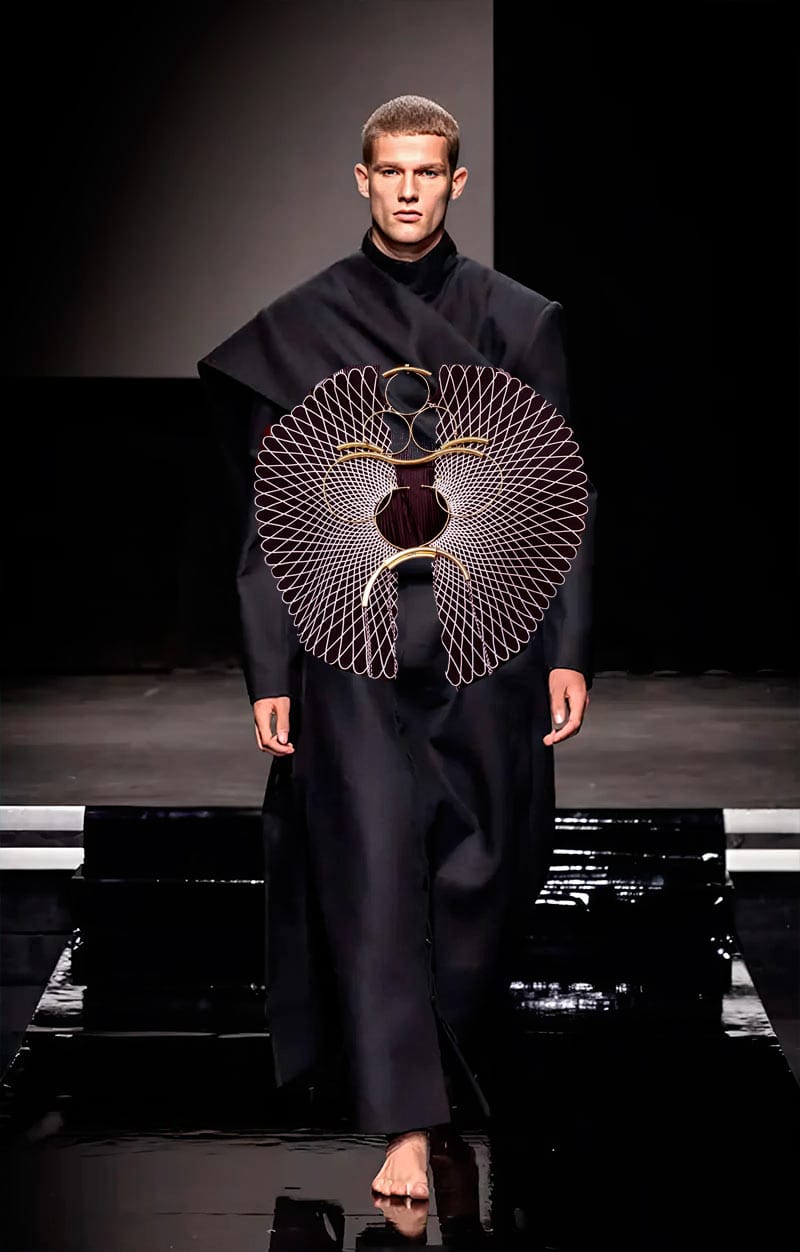
In 2026, we’ll see our love for fashion evolve in a way that truly respects the world we share. Designers and luxury labels will move beyond talking about eco-friendliness and start making it their core mission. Picture walking into a boutique and discovering a stunning dress woven from a new, biodegradable fabric or a sleek jacket made from ethically sourced, lab-grown leather. Each piece won’t just look exquisite – it’ll tell a story about where it came from and why it matters.
On the runways, we’ll admire sparkling embellishments that have been crafted responsibly, so that what dazzles our eyes also honors the environment. Imagine seeing models glide by in gowns stitched together by local artisans who’ve passed their skills through generations, preserving a rich heritage while adapting to the needs of our planet. Style icons will proudly wear these creations, proving we can be both fashionable and thoughtful.
If you adore fashion, this shift will feel like a breath of fresh air. You’ll delight in discovering pieces that aren’t just “trendy” but are also built to last – jewelry made from recycled metals, shoes designed to endure for years, not just seasons. You’ll feel good knowing that every purchase reflects values like quality, fairness, and stewardship.
By embracing sustainable luxury in 2026, we’ll find greater meaning in what we wear. Not only will we celebrate beauty and innovation, we’ll also contribute to a healthier future, one lovely, responsibly crafted garment at a time.
Sustainable luxury in 2026 goes beyond opulent materials and couture craftsmanship. It emphasizes ethical sourcing, eco-friendly production methods, and transparent supply chains. While traditional luxury might focus solely on exclusivity and premium quality, sustainable luxury takes this to a new level by ensuring that each garment honors both people and the planet. It marries the artistry of high fashion with responsible resource use, fair labor practices, and meaningful philanthropy.
Initially, sustainable luxury pieces may command a higher price due to their meticulous sourcing and smaller production runs. For instance, artisans using responsibly harvested, natural fibers often craft limited batches, ensuring minimal environmental impact and high-quality, long-lasting garments. These higher upfront costs are offset by the product’s durability, timeless style, and the peace of mind that comes from supporting ethical business practices. In essence, investing in sustainable luxury means choosing pieces you’ll cherish for years while actively contributing to a healthier planet and fairer global fashion industry.
In 2026, transparency will be key. Many reputable brands will provide detailed “brand stories” that highlight their raw materials, production processes, and charitable endeavors. Third-party certifications, blockchain tracking, and responsibly accredited labels will make it easier than ever to confirm a brand’s ethics. Shoppers can also consult independent sustainability rating platforms, engage with knowledgeable sales associates, or follow well-regarded industry influencers who champion honest, earth-friendly fashion.

#3 Fashion Trend 2026: A Bold Return to Minimalism
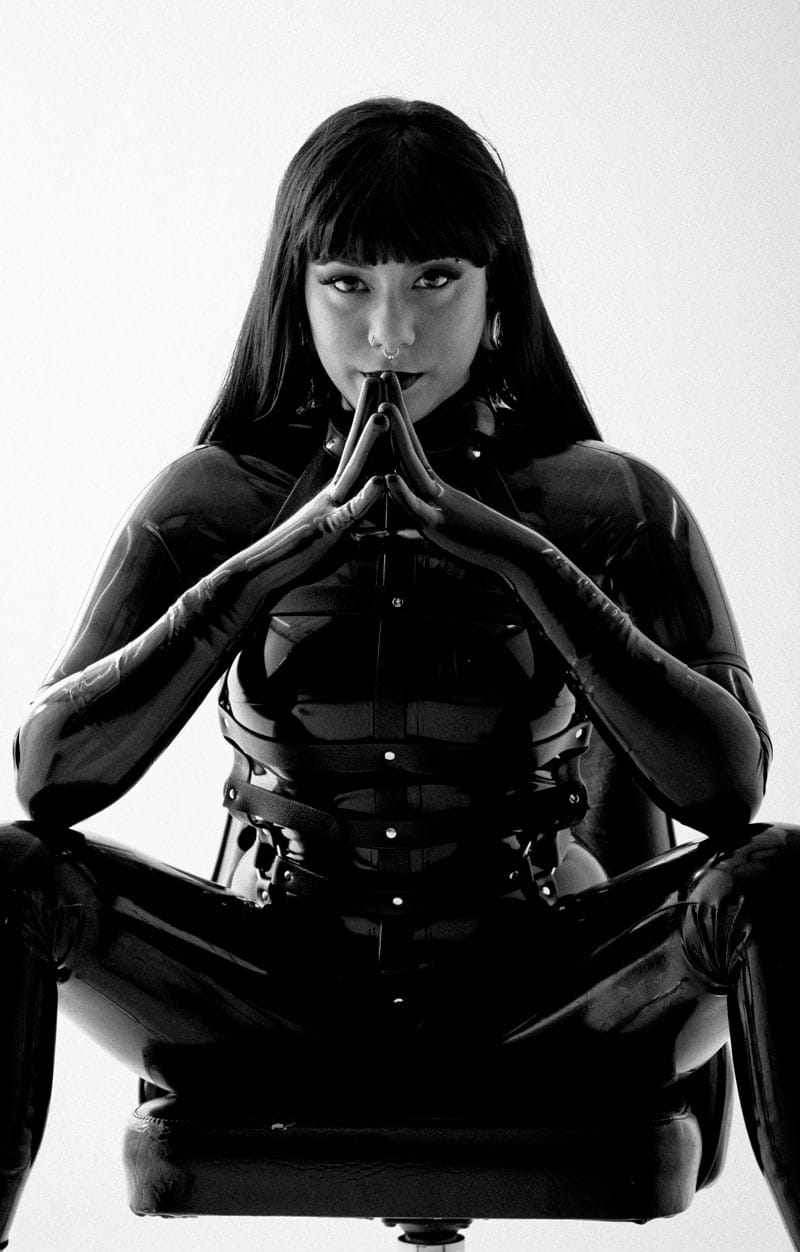
In 2026, designers will fully embrace a bold return to minimalism, stripping fashion down to its most essential elements. Collections will feature sleek, clean silhouettes that honor the body’s natural shape without overwhelming the eye. Neutral palettes (think warm beige, soft cream, and muted charcoal) will dominate, shifting attention from loud prints to the subtle interplay of texture and line. This new minimalist era will not mean sacrificing personality, however. Instead, it will encourage a thoughtful approach to personal style, where each piece is chosen with care and intention.
In place of flashy logos and obvious branding, garments will prioritize exquisite craftsmanship. Tailors and artisans will painstakingly refine stitching, drape, and cut, ensuring that every seam and contour contributes to a piece’s quiet sophistication. High-quality materials, from sustainably sourced organic cotton to innovative recycled textiles, will underscore the movement’s eco-conscious ethos. Accessories, too, will follow suit, with delicate jewelry and understated handbags complementing rather than distracting from the overall look.
By 2025, minimalism will have matured beyond a mere trend; it will become an ethos that resonates across the industry. The emphasis will be on thoughtful curation and adaptability, with timeless pieces designed to last for multiple seasons, if not years. Consumers will gravitate toward items that embody authenticity and emotional value, considering how each piece fits into their personal narratives.
Minimalism will not just simplify wardrobes – it will inspire a more meaningful relationship between wearer and garment, ensuring that less will truly become more. no longer be mere uniforms; they will become living canvases where personal style, cultural awareness, and forward-thinking innovation converge.
In 2026, minimalism will evolve beyond stark simplicity, focusing instead on elevated craftsmanship, thoughtful silhouettes, and selectively chosen details. Rather than stripped-down basics, you’ll see luxurious fabrics, impeccable tailoring, and subtle embellishments that contribute to a more refined, yet pared-back aesthetic. The emphasis is on quality over quantity, with every piece playing a purpose in the overall wardrobe.
Start by curating your closet, identifying timeless investment pieces that reflect your taste and lifestyle. Opt for elevated essentials in neutral palettes—think soft, sustainable cashmere sweaters, impeccably tailored trousers, or understated dresses in eco-friendly fabrics. Add depth through subtle textures, tonal layering, and understated accessories, ensuring that each piece seamlessly integrates with the rest of your wardrobe.
Not at all. While classic neutrals remain a cornerstone, you’ll still have room to experiment with color and individuality. The difference lies in how those elements are applied. Instead of loud prints or over-the-top embellishments, 2026’s minimalism invites you to express personality through smart tailoring, clever cuts, and unexpected details—like a pop of color on a structured coat lining or a single statement accessory. The result is a look that’s unique, modern, and confident without feeling overdone.
#4 Fashion Trend 2026: Redefining the Power Suit
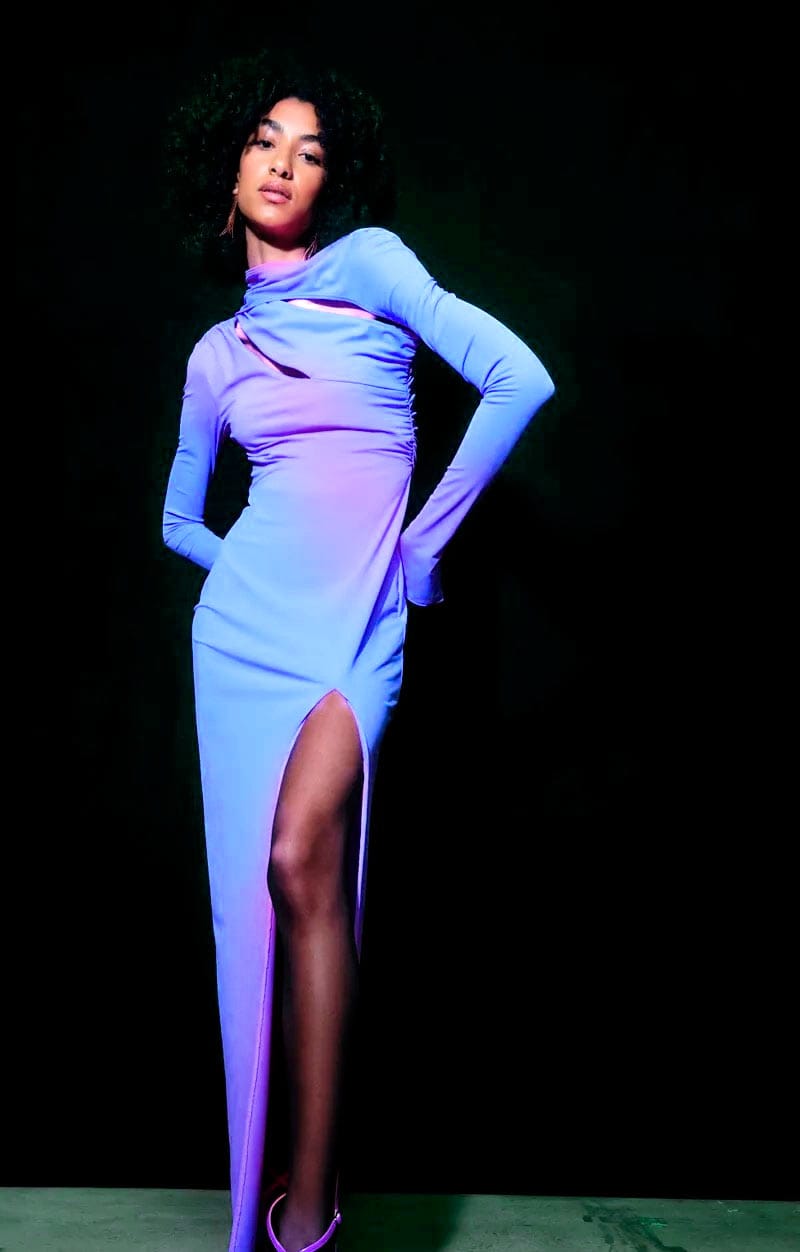
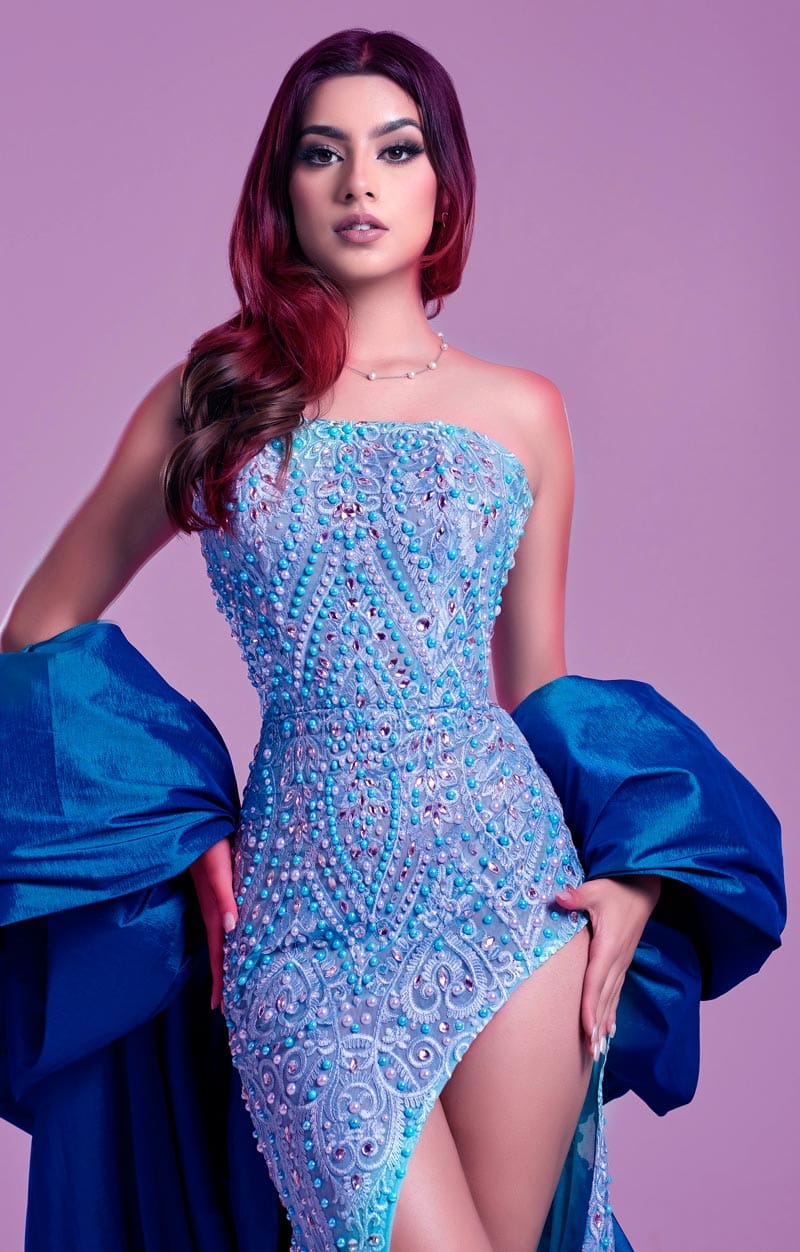
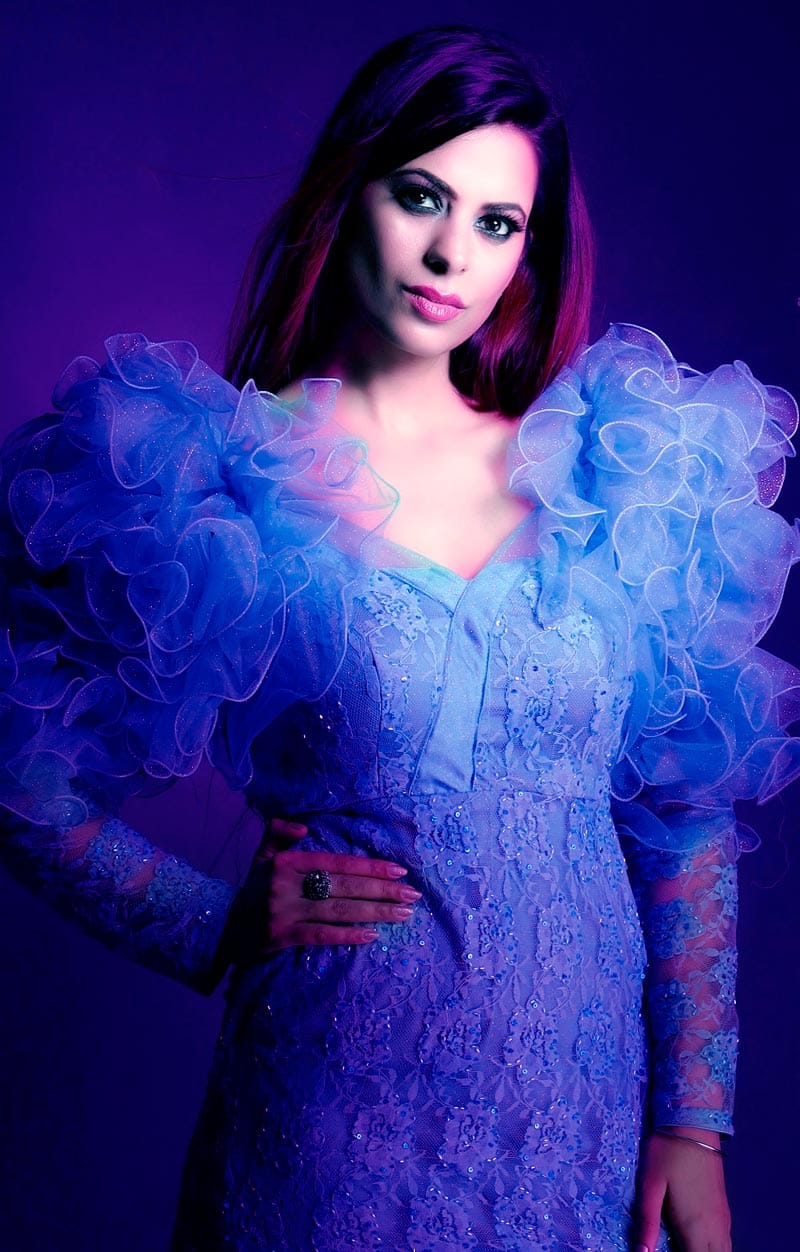
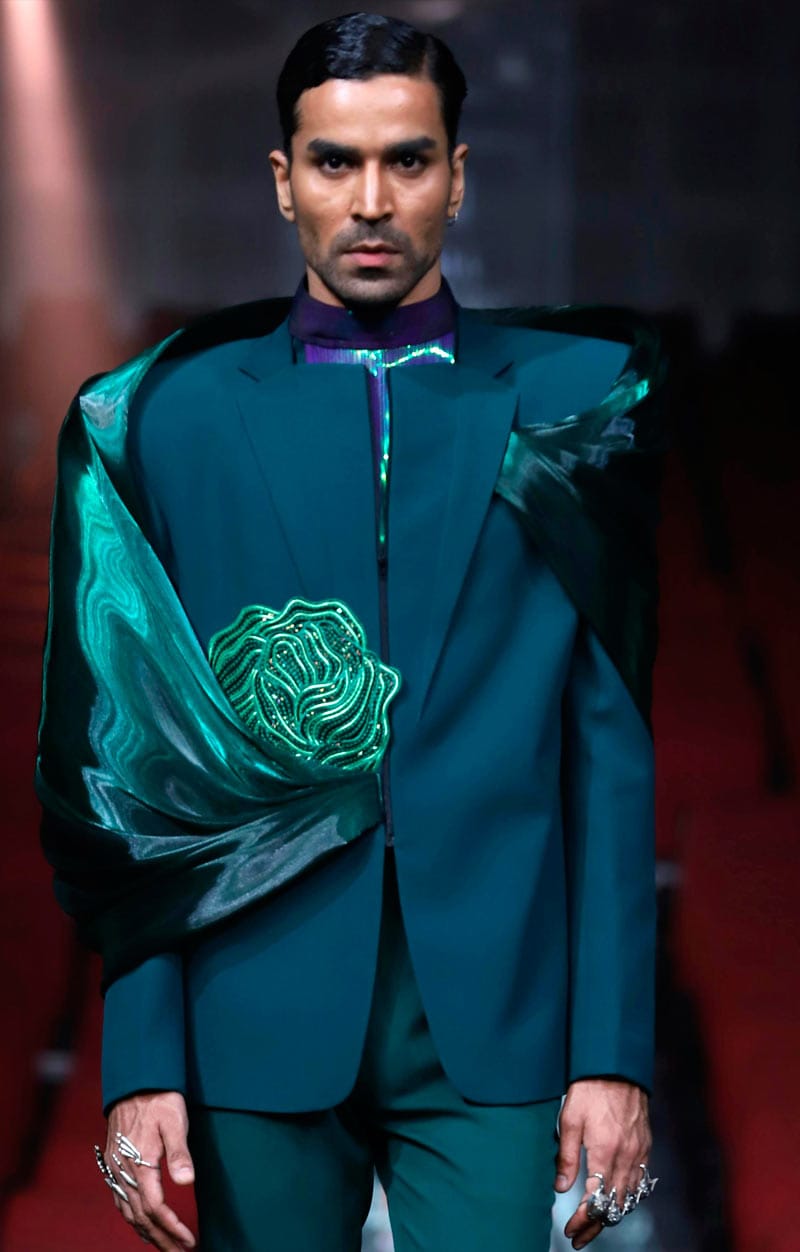
By 2026, the traditional power suit will have evolved into a transformative expression of personal authority, versatility, and sustainability. Designers will embrace daring silhouettes, merging exaggerated shoulder lines with slim, tailored waistlines to create a modern interpretation of strength and confidence. Emerging textile technologies will enable suiting fabrics to adapt to body temperature, ensuring optimal comfort and performance from the boardroom to after-hours events.
Color palettes will shift away from the expected blacks, greys, and navies, gravitating toward a dynamic array of deep jewel tones, vibrant earthy hues, and even the bold interplay of pastels. Metallic threads, subtle prints, and shimmering accents will invite creative self-expression without sacrificing professionalism. In 2025, fashion houses will seamlessly incorporate modular elements allowing wearers to adapt their suits to changing contexts throughout the day.
Global design influences will shape these new power suits, as designers draw inspiration from diverse cultural aesthetics, architectural lines, and evolving social values. By mixing classic tailoring techniques with cutting-edge digital pattern-making, designers will achieve impeccable fits for all body types, ensuring that everyone can embrace the inherent confidence of this reimagined staple. Ethical, eco-friendly materials and responsible production methods will be celebrated, making the new power suit both a personal and environmental statement.
Ultimately, in 2026, redefining the power suit will mean harnessing clothing’s potential to empower the individual wearer. Suits will no longer be mere uniforms; they will become living canvases where personal style, cultural awareness, and forward-thinking innovation converge.hat we wear. Not only will we celebrate beauty and innovation, we’ll also contribute to a healthier future, one lovely, responsibly crafted garment at a time.
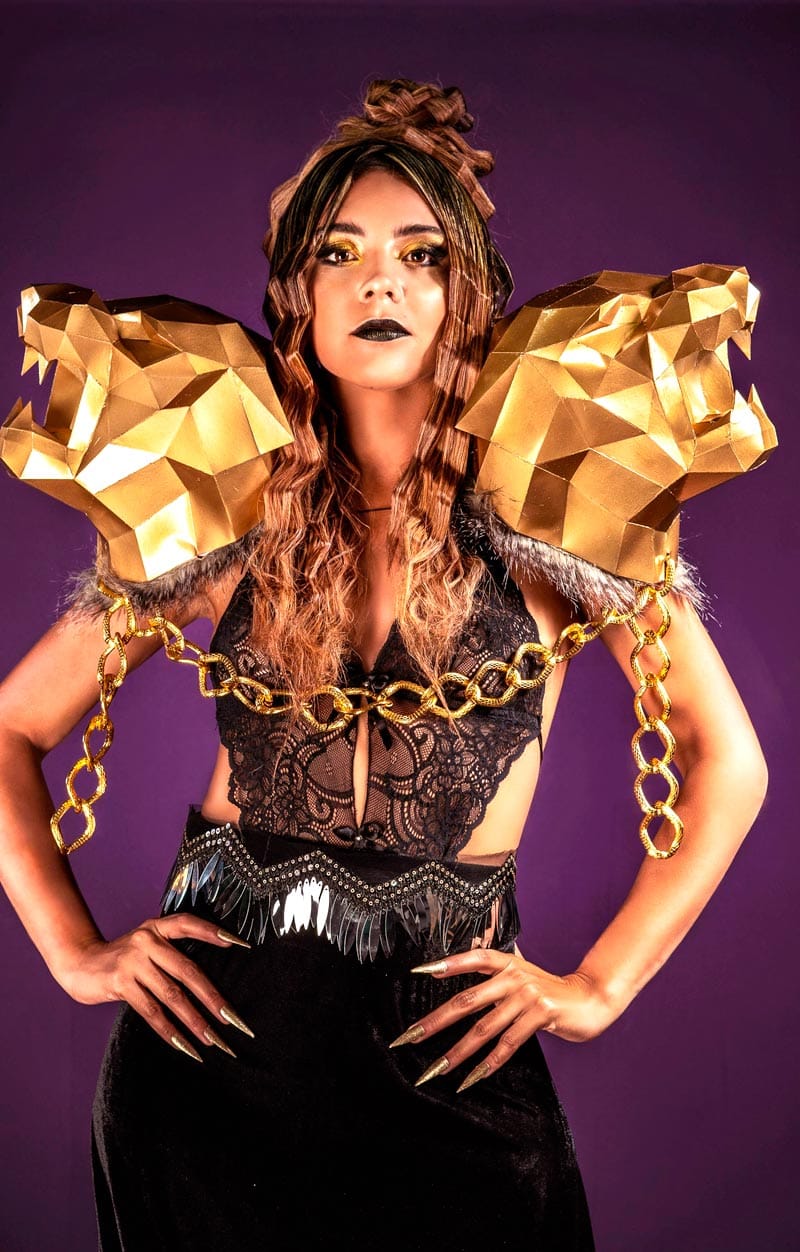
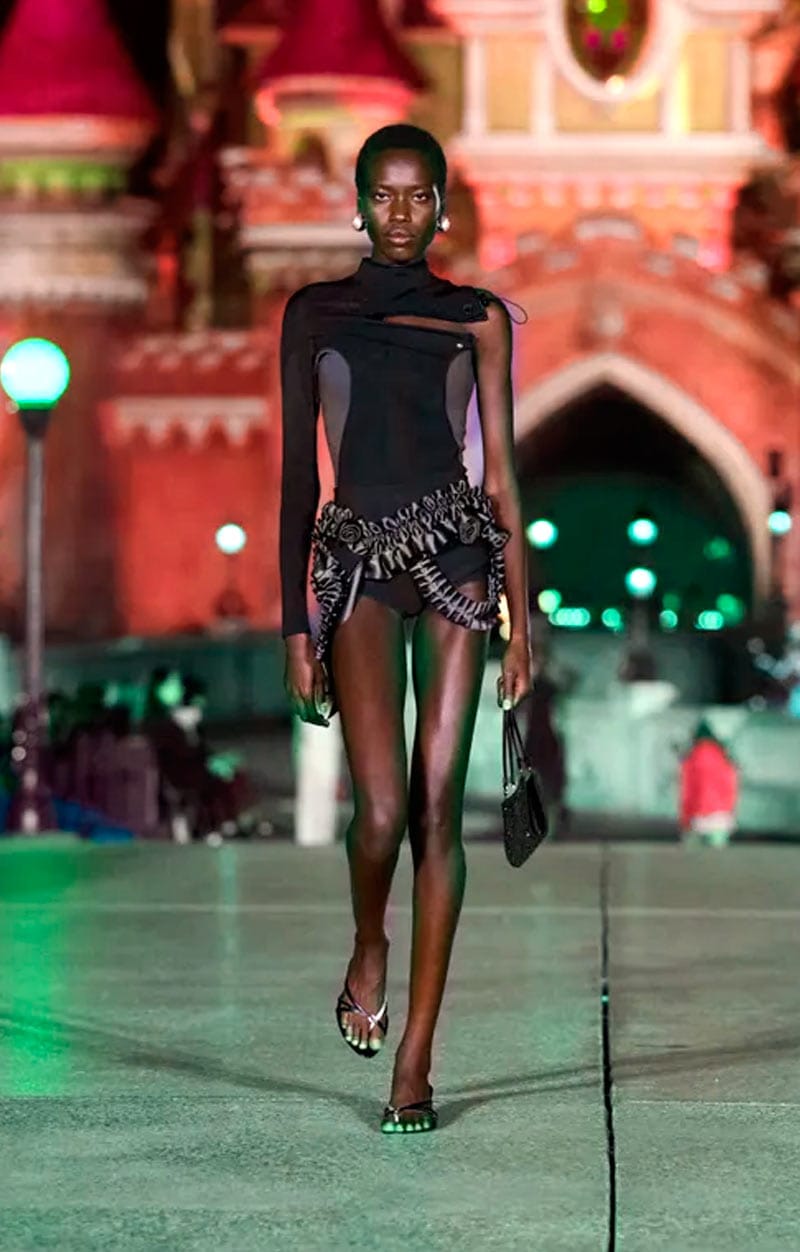
In 2026, the power suit evolves into a more fluid, gender-neutral uniform that embraces unconventional silhouettes, performance-enhancing textiles, and soft construction techniques. Rather than adhering to rigid tailoring, this new generation of suits employs flexible materials, integrated technology, and subtle structural innovations that allow for greater comfort, versatility, and self-expression.
Many designers are championing ethical sourcing and eco-friendly production methods. Expect to see recycled fabrics, plant-based dyes, and biodegradable components becoming standard, as the industry works toward reducing its environmental footprint. This holistic approach ensures that today’s customers can invest in a power suit that not only looks and feels cutting-edge, but also supports responsible, future-minded fashion practices.
Integrated smart features will be seamlessly woven into the fabric. Innovations like temperature-regulating fibers, anti-odor treatments, and built-in wearable tech elements will provide practical advantages. Some suits will incorporate discreet sensors to track biometric data allowing wearers to stay comfortable and confident throughout their day. The result is a garment that does more than look good; it actively supports well-being, function, and professional performance in a demanding, dynamic world.

#5 Fashion Trend 2026: The Art of Gender-Fluid Style
In 2026, fashion audiences will witness a remarkable evolution in the realm of personal style, driven by the widespread embrace of gender-fluid aesthetics. The Art of Gender-Fluid Style will transcend traditional boundaries, forging innovative silhouettes and celebrating authenticity above all else. Expect to see high-end labels and emerging designers alike unveiling collections that blur the lines between men’s and women’s wear, focusing on comfort, versatility, and individuality. Natural fibers like sustainable bamboo and hemp blends will dominate runways, while advanced fabrics crafted from lab-grown materials will enhance breathable, lightweight designs.
Colors will be liberated from their once restrictive associations. In this new era, everyone will feel empowered to wear vibrant hues, delicate pastels, and bold patterns without the weight of outdated stereotypes. Accessories will also evolve, with fluid jewelry, hybrid bags, and multifunctional footwear reflecting this inclusive approach to personal expression.
Innovative tailoring will become a hallmark of the movement, featuring fluid draping, subtle asymmetry, and modular constructions that replace rigid structures. By embracing The Art of Gender-Fluid Style, fashion enthusiasts in 2026 will explore their identities through garments that evoke freedom and creativity. The result will be wardrobes transcending binary definitions, opening the door to a future of fashion that uplifts all identities and encourages every individual to express their authentic self.
As runway shows integrate augmented reality elements, audiences will interact directly with garments, digitally swapping textures and finishes to better understand each piece’s fluid nature. This immersive experience will emphasize adaptability and personalization, ensuring that The Art of Gender-Fluid Style remains a defining force, inspiring generations to view clothing as an evolving, expressive medium without limits.
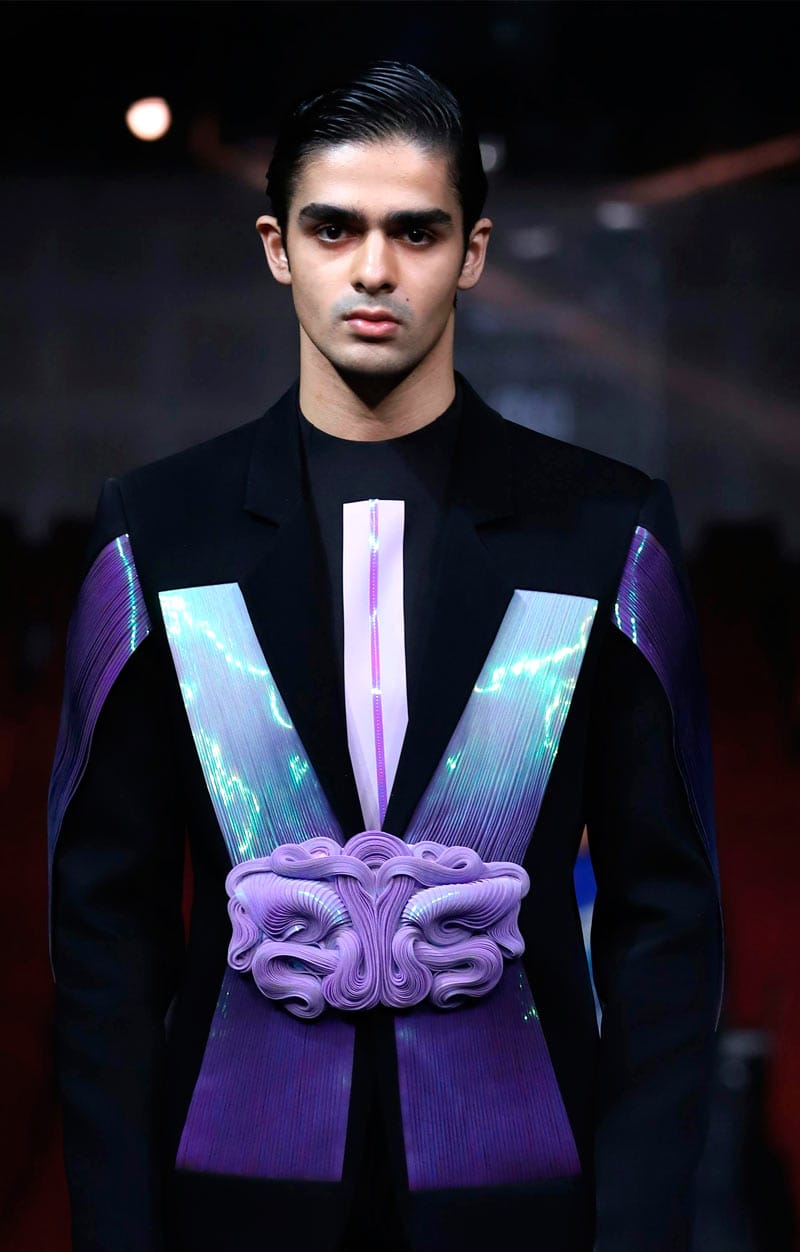
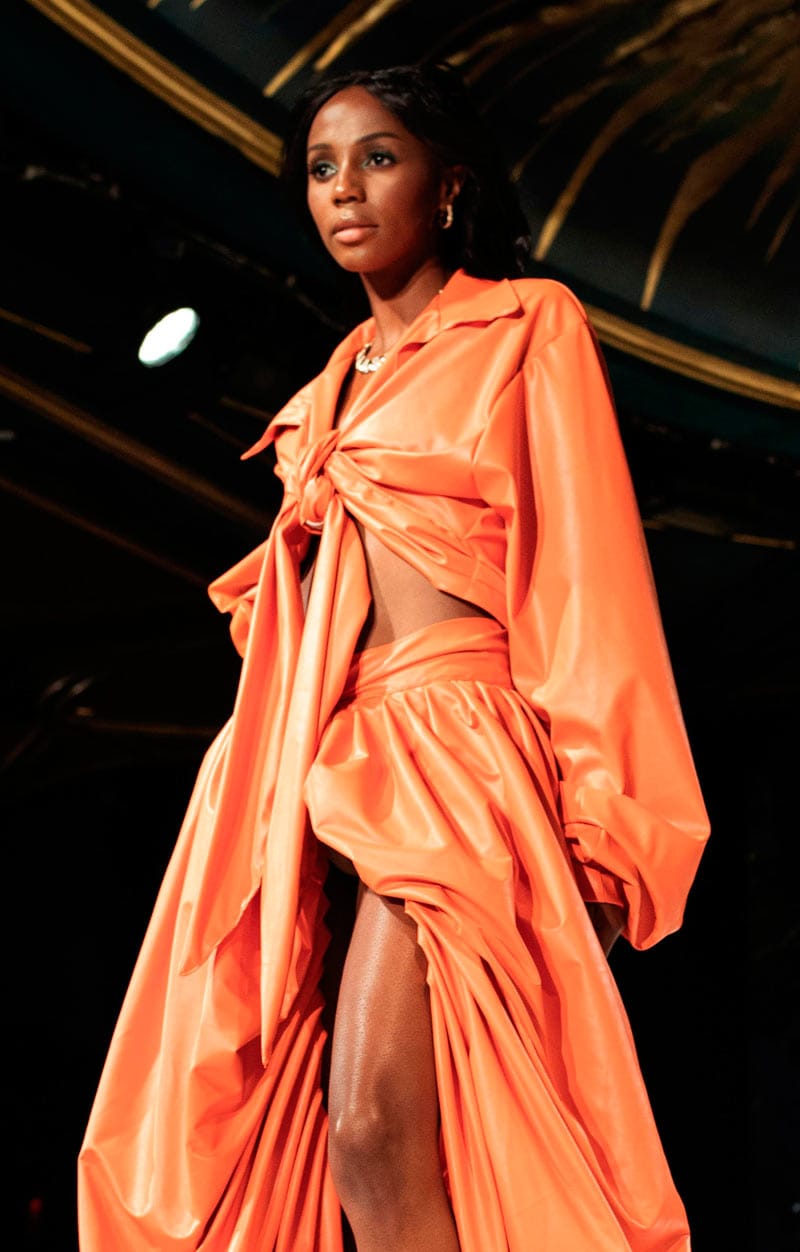
Gender-fluid style in 2026 will move beyond traditional labels of men’s or women’s clothing. It will embrace designs, cuts, and patterns that anyone can wear, regardless of their gender identity. By blending silhouettes and reimagining classic garments, this trend will celebrate personal expression and encourage individuals to dress in a way that feels true to themselves.
In 2025, designers will reimagine garments with a focus on shape, texture, and comfort, rather than adhering to binary sizing and styling rules. Expect to see a wide range of materials, from sustainable fabrics to high-tech textiles, combined with fluid tailoring and adjustable features. This approach will allow each piece to adapt to the unique proportions and preferences of the wearer, fostering an inclusive, expressive wardrobe.
In 2026, consumers will find it easier than ever to break free from the constraints of traditionally gendered clothing. By mixing pieces from various collections (such as pairing a structured blazer with a flowing skirt or combining neutral-toned trousers with a richly patterned blouse) individuals can create looks that highlight their personal aesthetic. Accessories, hairstyles, and color palettes will be key tools for experimentation, helping style enthusiasts confidently embrace gender-fluid fashion and discover their own evolving sense of identity.
#6 Fashion Trend 2026: Textures, Layers, and Beyond
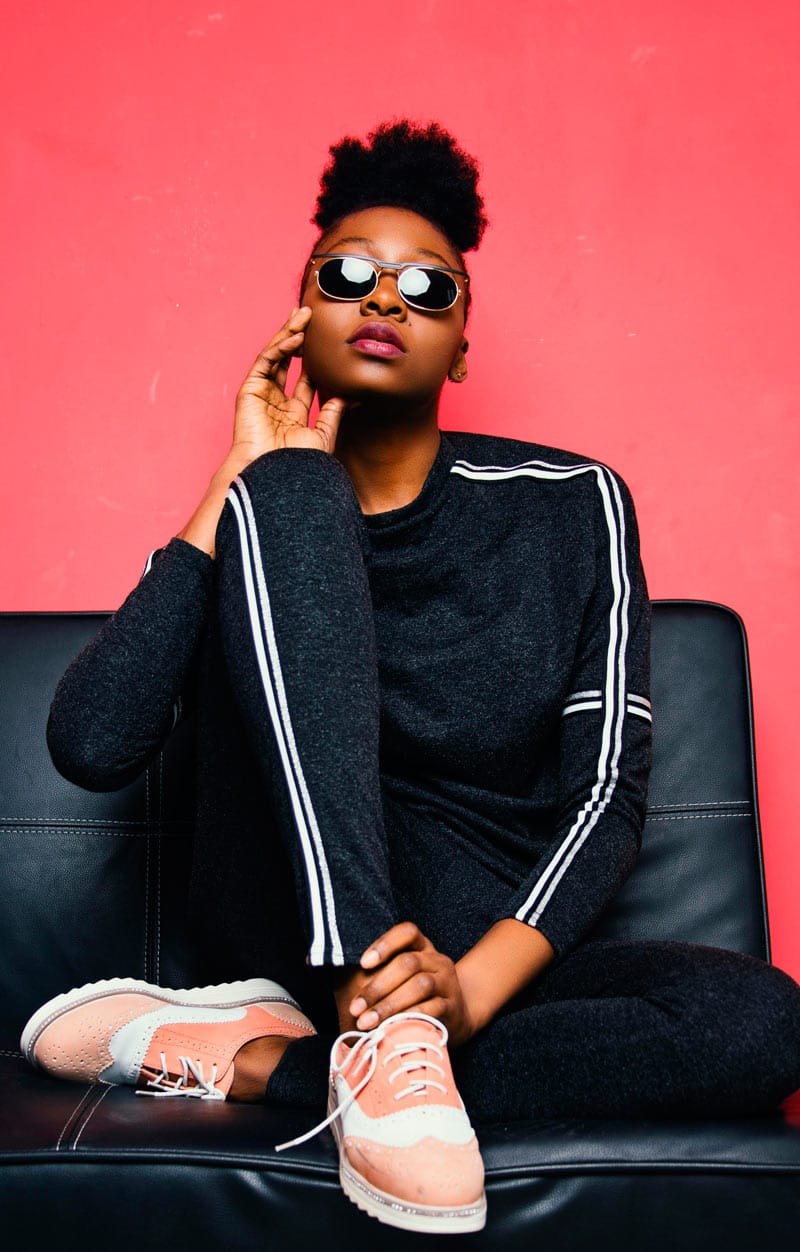
In 2026, designers will fully embrace an aesthetic defined by daring textures, intricate layers, and unexpected combinations that push the boundaries of conventional style. You will see creative visions that explore the harmony of juxtaposed fabrics- soft knits alongside structured leather, airy organza paired with tactile bouclé, and shimmering sequins layered under matte finishes. These nuanced plays of texture will encourage you to look closer, as each garment will invite discovery, revealing depth and complexity in every fold.
Layering will become a form of personal expression, allowing you to craft a distinct identity from season to season. You will layer translucent, lightweight materials over bold patterns, or perhaps stack sleek silhouettes beneath voluminous outerwear, resulting in ensembles that feel at once functional and artistic. Forward-thinking brands will even integrate 3D-printed textiles and cutting-edge technical fibers, giving garments remarkable dimensionality and unprecedented adaptability to various climates and occasions.
As you step into this new era of style, you will notice that experimenting with textures and layers allows you to communicate your evolving tastes and values. The garments of 2026 will empower you to transform a single look through subtle adjustments so that your wardrobe feels dynamic, personal, and unique. In this future, fashion will not only be about what you wear, but also how you curate your clothes to reflect your multifaceted identity, inspiring you to confidently step beyond the ordinary and into a world of richly layered possibility.
In 2026, expect to see a truly tactile experience on the runway. Designers will be experimenting with an array of unique materials, think plush faux furs, 3D knits, laser-cut leathers, and iridescent fabrics that catch the light at every angle. The emphasis will be on layering contrasting textures to create depth, visual intrigue, and an almost sculptural element within each outfit.
Layering in 2026 will go beyond simply adding a jacket or scarf. We’ll see a thoughtful curation of garments that interplay harmoniously – light, airy sheers over richly woven fabrics; slim-cut trousers paired with voluminous coats; and multi-length hemlines that create fluid movement. The art of layering will be about balancing proportions, textures, and silhouettes to create a look that is both dynamic and effortlessly chic.
Start small and focus on texture pairings that feel natural to you. A ribbed knit sweater over a silky slip dress can instantly add dimension, while mixing a glossy, structured blazer with a soft, textured turtleneck creates visual contrast. Incorporate statement pieces to introduce the trend without overwhelming your look. The key is to experiment, find your comfort level, and gradually increase the complexity of your layers and textures until you achieve a look that is distinctly 2026 yet uniquely your own.
#7 Fashion Trend 2026: Streetwear Meets Haute Couture
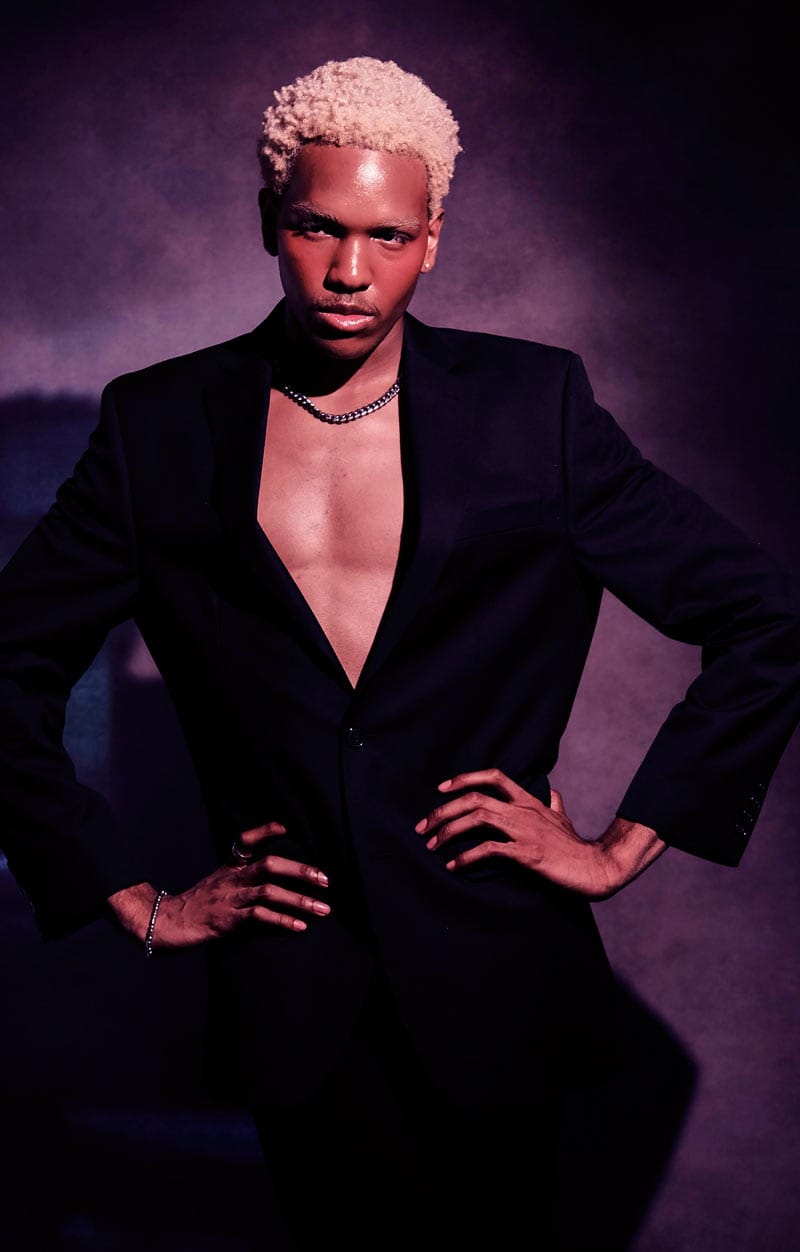
In 2026, the world of fashion will usher in a new era where gender-fluid style will redefine what it means to dress with confidence and authenticity. Designers will gravitate toward silhouettes that transcend traditional binaries, blending masculine and feminine elements to create a harmonious fusion of form and function. Elegant tailoring will meet relaxed draping, while structured jackets will pair effortlessly with flowing skirts. Neutral palettes will coexist alongside vibrant hues, ensuring that each individual’s personal expression will find its perfect match.
This trend will encourage consumers to experiment with pieces that once belonged exclusively to “men’s” or “women’s” collections. Subtle details will serve as reminders that fashion, at its core, will be about embracing one’s true self rather than conforming to set norms. In this future-forward landscape, global fashion houses will collaborate with emerging designers who will champion inclusivity and body positivity, ensuring that everyone will feel seen, celebrated, and comfortable in their clothes.
In 2026, runway shows and pop-up installations will highlight the art of gender-fluid dressing by featuring models of diverse genders, ethnicities, and body types. Editorial spreads will break down dated stylistic codes, while social media platforms will overflow with DIY style hacks that will inspire countless enthusiasts to experiment fearlessly. Ultimately, “The Art of Gender-Fluid Style” will not only reshape wardrobes everywhere, but also redefine identity and self-expression, illustrating that the future of fashion will be open, fluid, and endlessly inspiring.
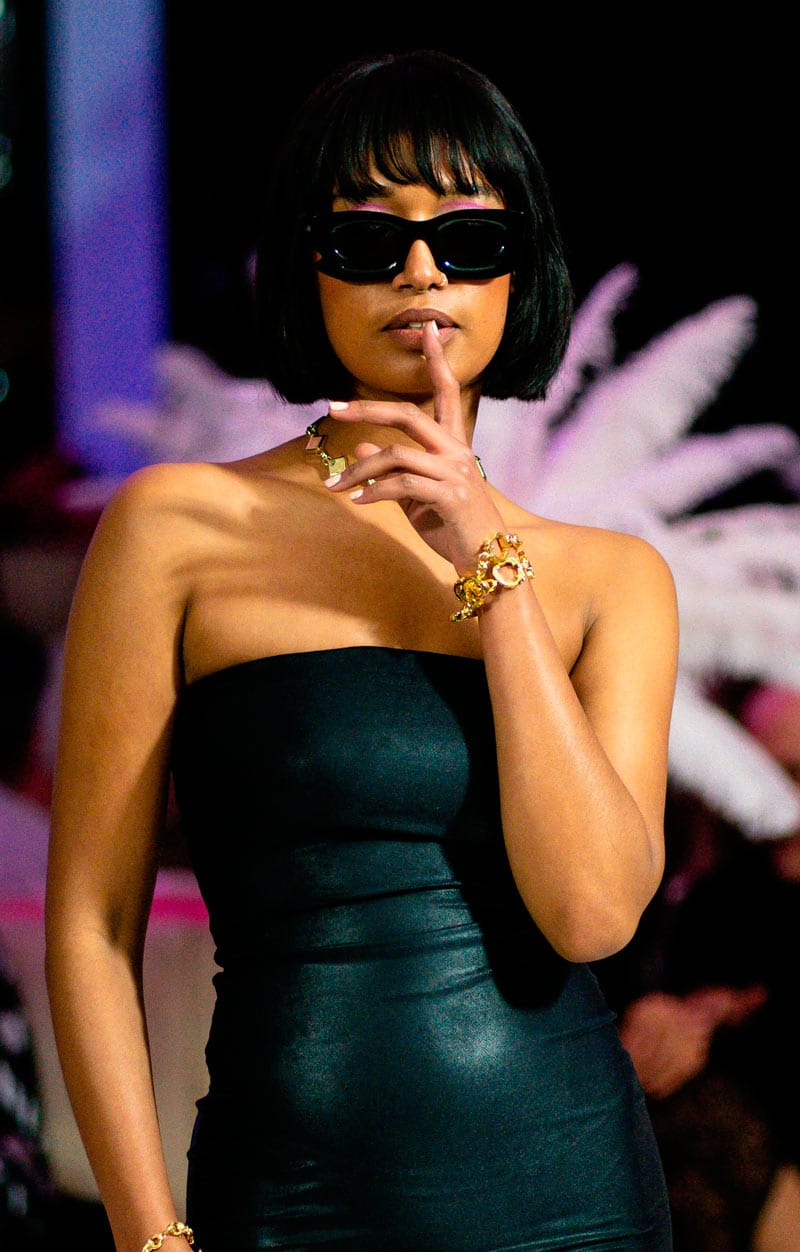
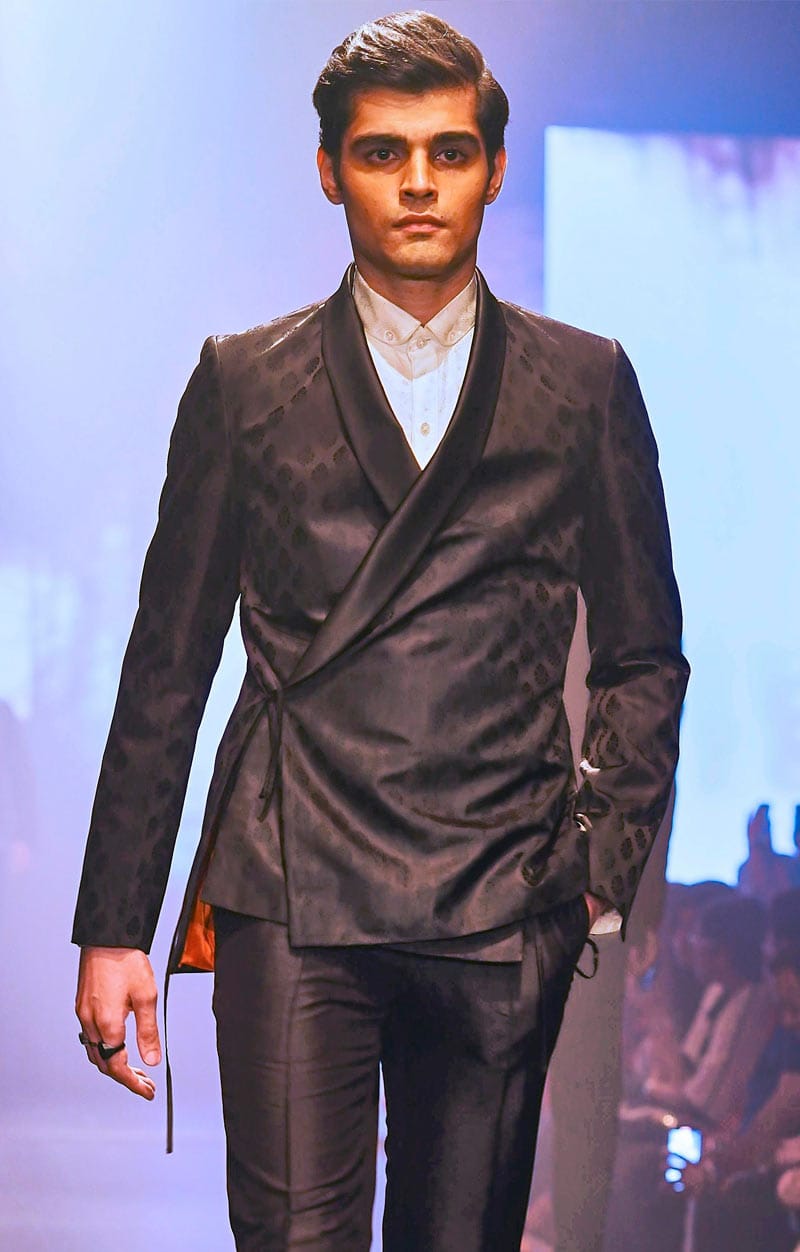
In 2026, “Streetwear Meets Haute Couture” represents a fusion of high-end craftsmanship with the relaxed, grassroots sensibility of urban style. This blend takes the signature silhouettes of streetwear and elevates them with luxurious fabrics, intricate tailoring, and couture-level detailing. The result is a look that’s both cutting-edge and accessible, bridging the gap between exclusive runways and everyday authenticity.
Sustainability will play a crucial role in shaping this new aesthetic. Designers will increasingly seek out eco-friendly materials, explore circular production methods, and embrace slow-fashion principles. From upcycled denim to organic cotton and naturally dyed silks, each piece will be thoughtfully sourced and carefully constructed. Expect to see labels highlighting their environmental commitments, ensuring that “Streetwear Meets Haute Couture” is as ethical as it is fashionable.
One of the key strengths of “Streetwear Meets Haute Couture” is its versatility. By blending upscale tailoring with casual, youth-inspired elements, it creates a fluid style language that resonates across demographics. You might pair a structured blazer with high-tech sneakers, or combine a handcrafted leather jacket with minimalist joggers. The aesthetic encourages personalization and innovation, allowing individuals of all tastes to incorporate a luxurious, modern flair into their wardrobes.

#8 Fashion Trend 2026: Classic Tailoring Gets a Twist
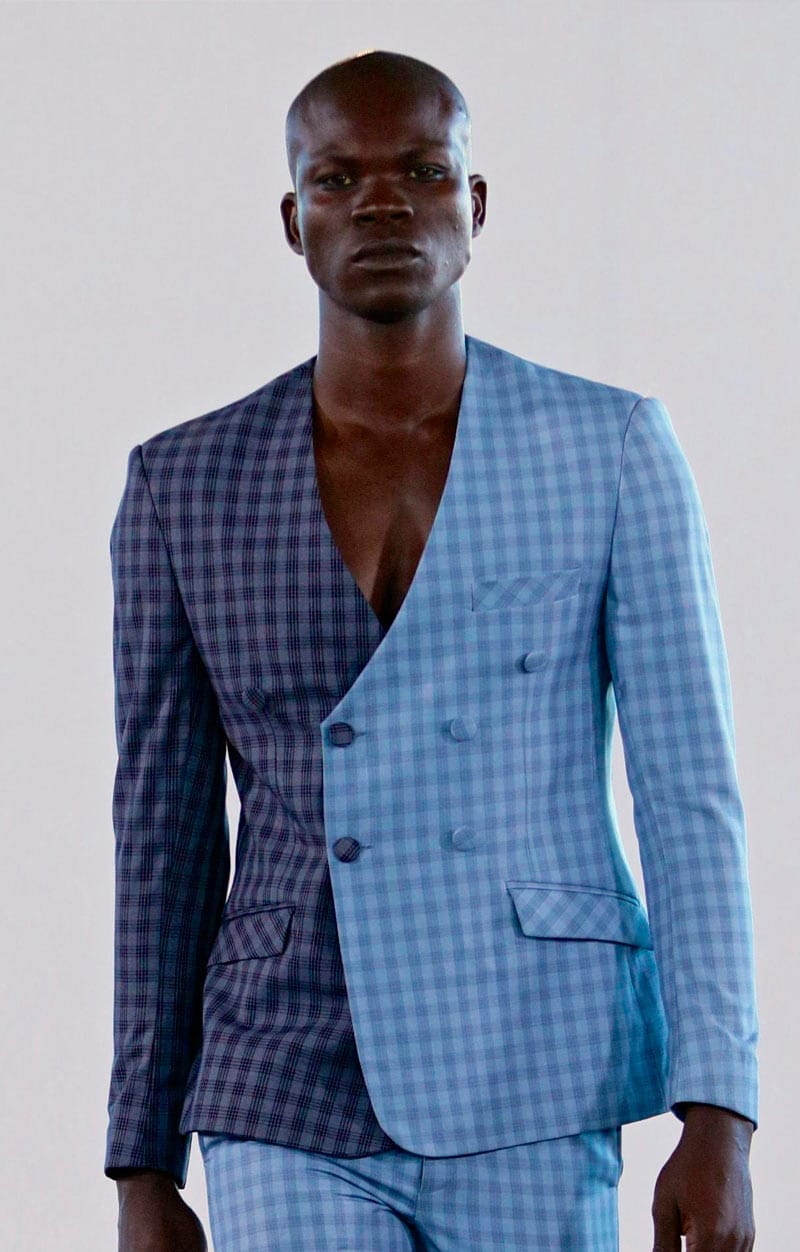
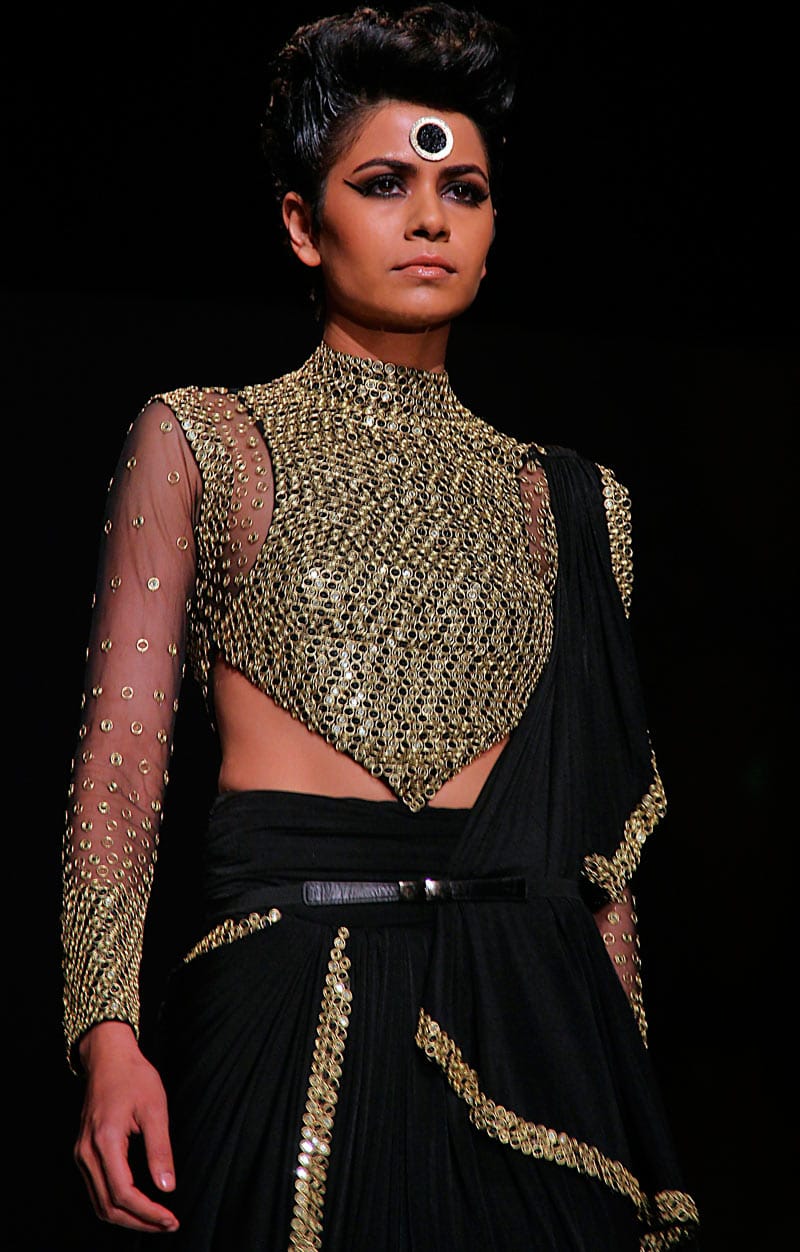
By 2026, classic tailoring will embrace a transformative evolution, giving timeless silhouettes a daring new edge. Designers will experiment with unexpected materials, blending traditional wool and cotton with innovative, sustainable fabrics derived from recycled fibers and bio-based textiles. You will see sharply cut blazers adorned with architectural detailing, lapels enhanced by subtle 3D prints, and structured trousers refined by intelligent stretch materials that adapt flawlessly to every body shape.
The new era of tailoring will bring more inclusive sizing and customizable fits, as advanced measurement technologies and AI-driven patternmaking tools become standard practice. Expect to walk into a boutique and use body-scanning technology that instantly tailors garments to your exact specifications, ensuring a polished, comfortable fit every time.
Color palettes will shift as well. Although classic neutrals remain a foundation, expect unexpected pops of iridescent accents, muted metallics, and even holographic trims that shimmer subtly in changing light. Details like under-collar embroideries and hand-painted linings will add a personal touch, forging a connection between garment and wearer that extends beyond mere aesthetics.
In 2026, “Classic Tailoring Gets a Twist” will mean merging heritage craftsmanship with forward-thinking innovation. The result will be clothes that feel both familiar and refreshingly novel, investments that nod to tradition while propelling fashion into exciting new territory. Whether dressing for the boardroom, a gallery opening, or an evening soirée, you will find these updated classics elevating personal style, ensuring that the future of elegant dressing feels visionary yet eternally refined.
In 2026, classic tailoring will be reimagined through the introduction of unexpected cuts, sculptural shapes, and innovative materials. Think suiting with asymmetrical lapels, jackets that incorporate high-tech fabrics for enhanced comfort, and trousers that experiment with volume and proportion, all while maintaining the polished essence of traditional tailoring.
Although the accent lies on pushing boundaries, the essence of classic tailoring – clean lines, sharp silhouettes, and impeccable fit – remains at the core. The new twists and design details are subtle enhancements, designed to add personality and modernity without abandoning the timeless appeal that tailored garments are known for.
Start small by selecting a single piece that subtly showcases the trend, perhaps a blazer with a unique lapel shape or trousers in a cutting-edge fabric. As you grow more comfortable, you can introduce bolder items like a structured, two-tone suit or a tailored jacket with sculptural shoulder detailing. Pair these updated classics with more familiar pieces, such as a crisp white shirt or minimalist leather loafers, to ensure the final look is both contemporary and wearable.
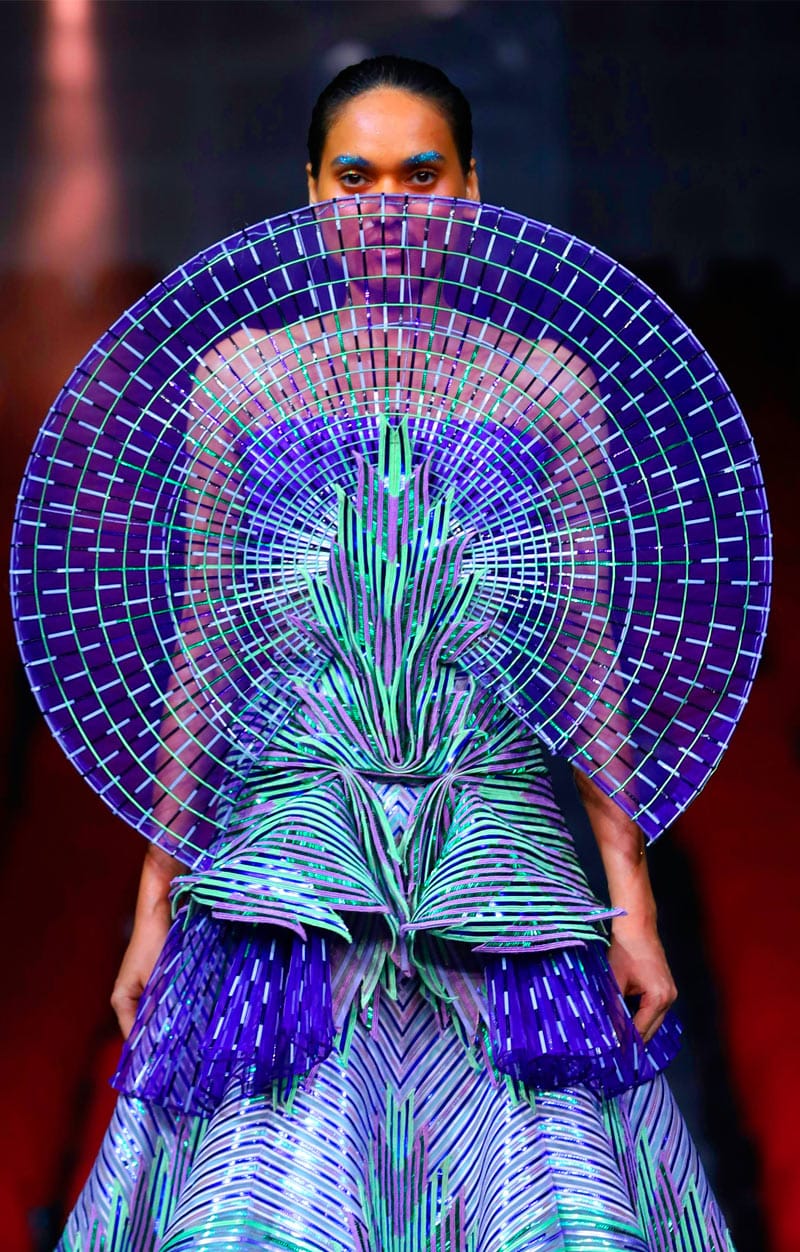
#9 Fashion Trend 2026: Avant-Garde Shapes and Silhouettes
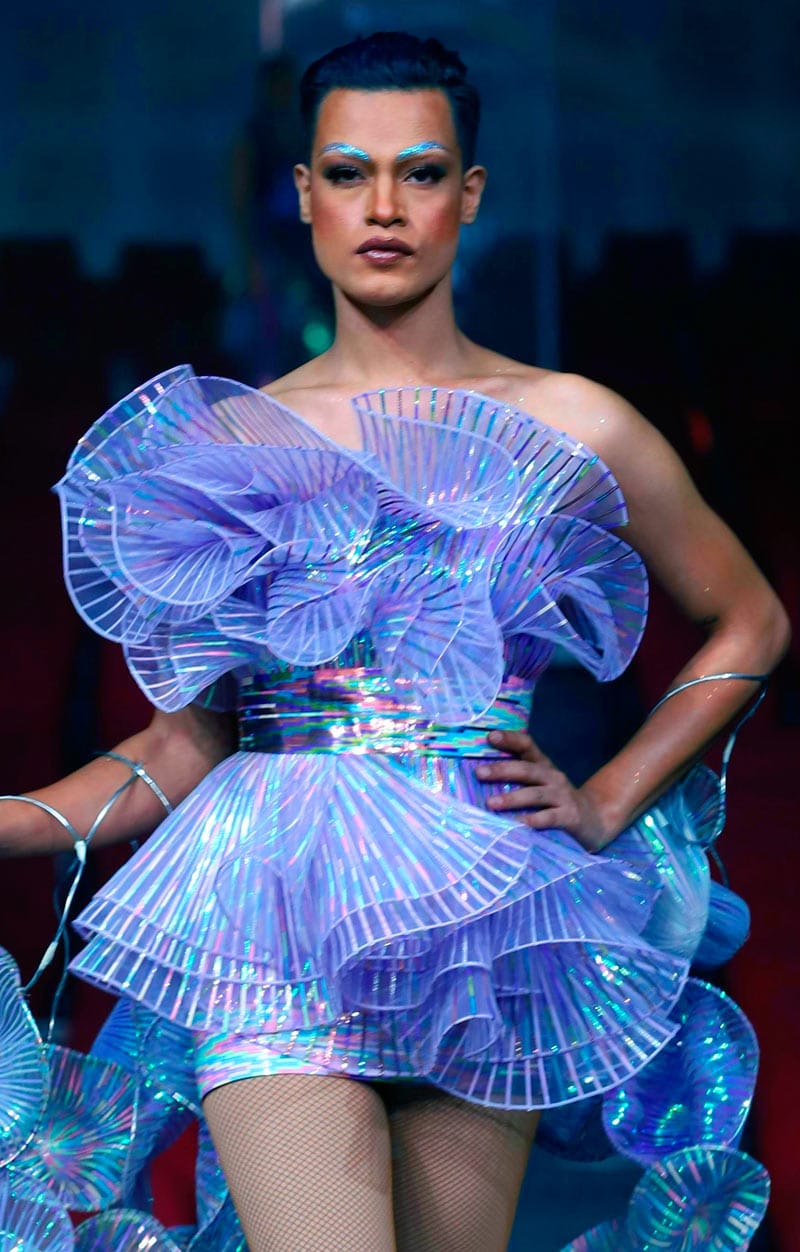
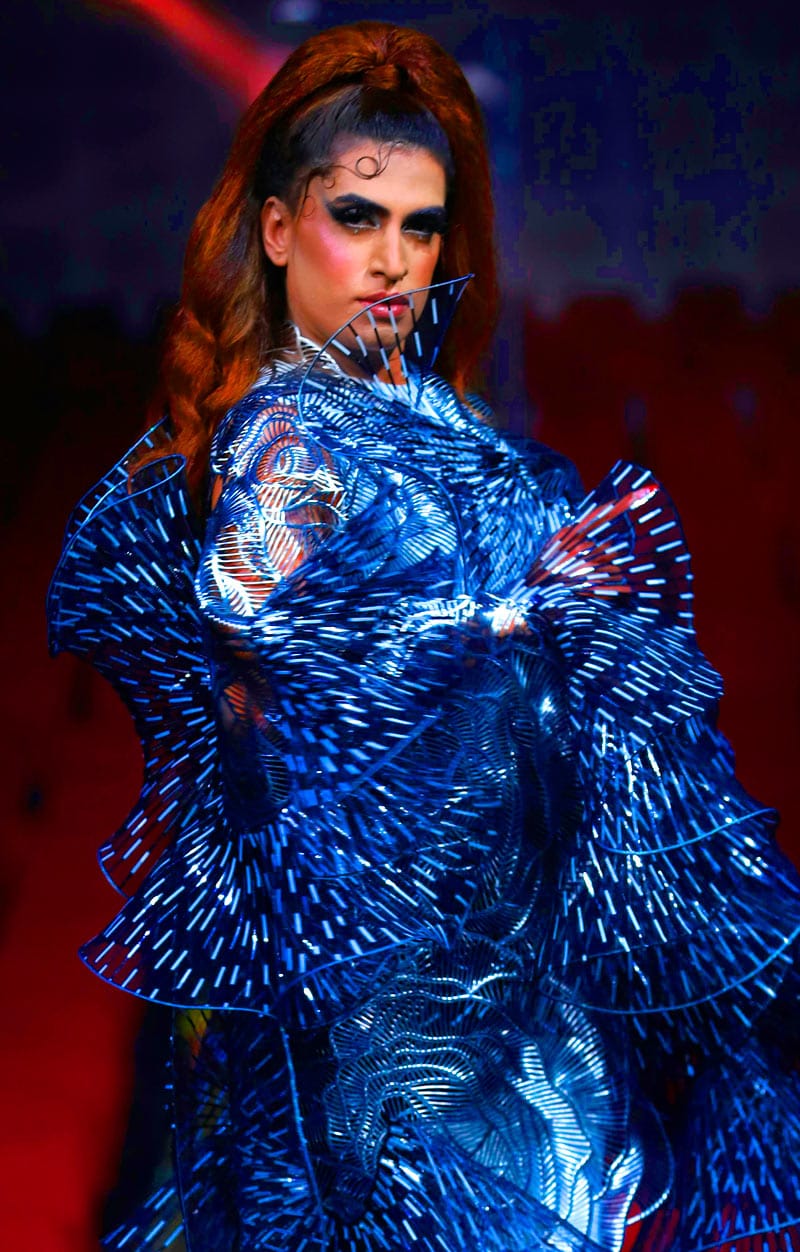
In 2026, fashion enthusiasts will find themselves at the forefront of a visual and structural revolution as avant-garde shapes and silhouettes redefine what it means to be stylish. Designers will be drawn to unconventional geometry and playful proportions, pushing past boundaries that once felt impenetrable. Expect to see asymmetrical hemlines, extravagant shoulders, and fluid curves that defy traditional tailoring, creating garments that feel more like wearable sculptures than mere clothing.
These new silhouettes will celebrate movement and dimension, encouraging individuals to embrace the artistic potential of their wardrobe. Draped fabrics will cascade in unexpected directions, while layered panels will interact with each other to create dynamic shapes that shift and flow with every step. Couture houses and independent labels alike will embrace three-dimensional embellishments, think sculpted pleats, raised appliqués, and intricate cutouts that allow glimpses of the wearer’s body through artfully placed openings.
Such daring aesthetics will not only apply to dresses and coats; trousers, skirts, and even shoes will be reimagined in bold, architectural forms. Tailoring techniques will evolve, blending traditional craftsmanship with innovative materials and technologies that allow for gravity-defying structures. The result will be a season where personal style is expressed as performance art – garments becoming living, breathing exhibitions of creativity and individuality.
In short, 2026’s avant-garde shapes and silhouettes will challenge the status quo. Fashion will be future-focused, and every outfit will reflect a sense of discovery, daring the wearer and observer alike to embrace new dimensions of style.
The 2026 avant-garde approach will push conventional boundaries, employing unconventional geometry, asymmetrical cuts, and three-dimensional fabrics to craft clothing that feels more sculptural and artful. These looks will challenge traditional tailoring by experimenting with proportion, structure, and movement, resulting in a bold departure from the cleaner lines and simpler shapes commonly seen today.
While some pieces may lean toward haute couture or editorial statements, designers will also adapt avant-garde principles into more accessible lines. Expect to see subtler interpretations of these silhouettes appear in ready-to-wear collections. From structured jackets with playful shoulders to trousers that incorporate dynamic draping, fashion lovers will find wearable options that bring an element of artistic flair to their daily wardrobe.
Start small by focusing on a single statement piece and pair it with more familiar items from your closet. Opt for neutral colors and minimal accessories to keep the emphasis on the silhouette itself. Over time, as you grow comfortable with these styles, you can experiment with bolder shapes, textures, and layering techniques, gradually integrating avant-garde silhouettes into your personal fashion narrative.
#10 Fashion Trend 2026: Reviving Tradition with Tech
In 2026, designers will embrace a powerful synergy between age-old craftsmanship and cutting-edge innovation, creating collections that seamlessly blend cultural heritage with modern functionality. This trend will revolve around the concept of “tradition meets tech,” where artisans and tech experts come together to reinvent classic silhouettes, timeless embroidery, and traditional fabrics, infusing them with future-proof elements.
You will see heritage textiles enhanced by advanced weaving techniques and sustainable synthetics that mimic the look and feel of centuries-old materials. Traditional crafts will be digitized, allowing designers to meticulously preserve patterns, motifs, and stitches from distant cultures. Runway pieces will feature intricate laser-cut details, 3D-printed accessories, and sensor-embedded fabrics that respond to temperature or movement.
In boutiques and concept stores, augmented reality fitting rooms will help shoppers explore and understand the stories behind these culturally significant garments. Collections will highlight global artistic influences uniting them under a shared vision of cultural evolution and environmental responsibility.
This trend will not merely reintroduce forgotten techniques; it will ensure they thrive amid rapid technological advances. Expect to witness garments that connect wearers to their roots while guiding them toward a more conscious, connected future. In essence, “Reviving Tradition with Tech” will encourage everyone to celebrate heritage as a living force, continually adapting and evolving to remain relevant, meaningful, and beautiful in the face of tomorrow’s endless possibilities.
Designers are pairing age-old craftsmanship with cutting-edge innovations like 3D-printed embellishments, smart textiles, and augmented reality fittings. This fusion allows for pieces that honor cultural heritage while offering modern functionality, durability, and customization.
Technologies emerging in 2026 focus on eco-conscious principles, such as responsibly sourced materials, more efficient production methods, and fabrics engineered to be long-lasting or biodegradable. The result is a blend of time-honored artistry and next-generation sustainability.
Start small by seeking out pieces that highlight a particular traditional craft but are produced using advanced, eco-friendly manufacturing techniques. Over time, consider investing in garments with integrated smart features or interactive elements that let you connect more personally with the story and culture behind the design.
#11 Fashion Trend 2026: Eco-Conscious Wardrobes Emerge
In 2026, fashion enthusiasts will embrace a more holistic approach to style, gravitating toward wardrobes that prioritize environmental responsibility without sacrificing elegance. By this time, emerging labels and established houses alike will work tirelessly to incorporate organic textiles, recycled fabrics, and regenerative farming practices into their collections. You will see designers develop innovative materials that highlight fashion’s potential to respect the planet.
Instead of focusing solely on the surface-level aesthetics, you will find that the story behind each garment will matter more than ever. Consumers will actively seek transparency in production methods, closely examining supply chains and demanding ethical treatment of workers. This conscious mindset will encourage brands to scale back on excessive waste and invest in long-lasting, versatile pieces. Modular designs, interchangeable elements, and timeless silhouettes will become the cornerstones of a wardrobe that evolves with its wearer rather than becoming disposable.
Your favorite influencers, stylists, and editors will champion these eco-conscious selections, spotlighting designers who minimize their environmental impact. This shift will redefine what luxury means, placing quality, craftsmanship, and sustainability at its core. As a result, you will notice that owning fewer pieces of higher integrity will be celebrated over accumulating countless trend-driven items. Ultimately, in 2025, the world of fashion will align more closely with the values of responsible consumption and thoughtful production, paving the way for eco-conscious wardrobes to become the true standard of style.
In 2026, designers and brands are more committed than ever to sustainability, using innovative materials like plant-based leathers, recycled fabrics, and biodegradable textiles. Production methods will emphasize water conservation, reduced carbon footprints, and ethical labor practices. This holistic approach ensures that eco-friendly wardrobes are both stylish and socially responsible.
Begin by exploring brands that prioritize circular fashion, collections designed to be recycled or upcycled, ensuring minimal waste. Look for garments with transparent supply chains, so you know exactly where and how they were made. Try shopping secondhand, swapping pieces with friends, or investing in timeless staples that won’t quickly go out of style. The goal is a curated closet that not only looks great, but also respects the planet.
Not at all. Sustainability is fueling some of the most creative and forward-thinking design innovations. Expect to see sleek silhouettes, vibrant colors, and elevated textures emerging from responsibly sourced materials. From high-end runway collections to accessible streetwear lines, eco-conscious fashion will balance aesthetics with ethics, ensuring you never have to compromise on personal style.
#12 Fashion Trend 2026: Feathers, Fringes, and Fantasy
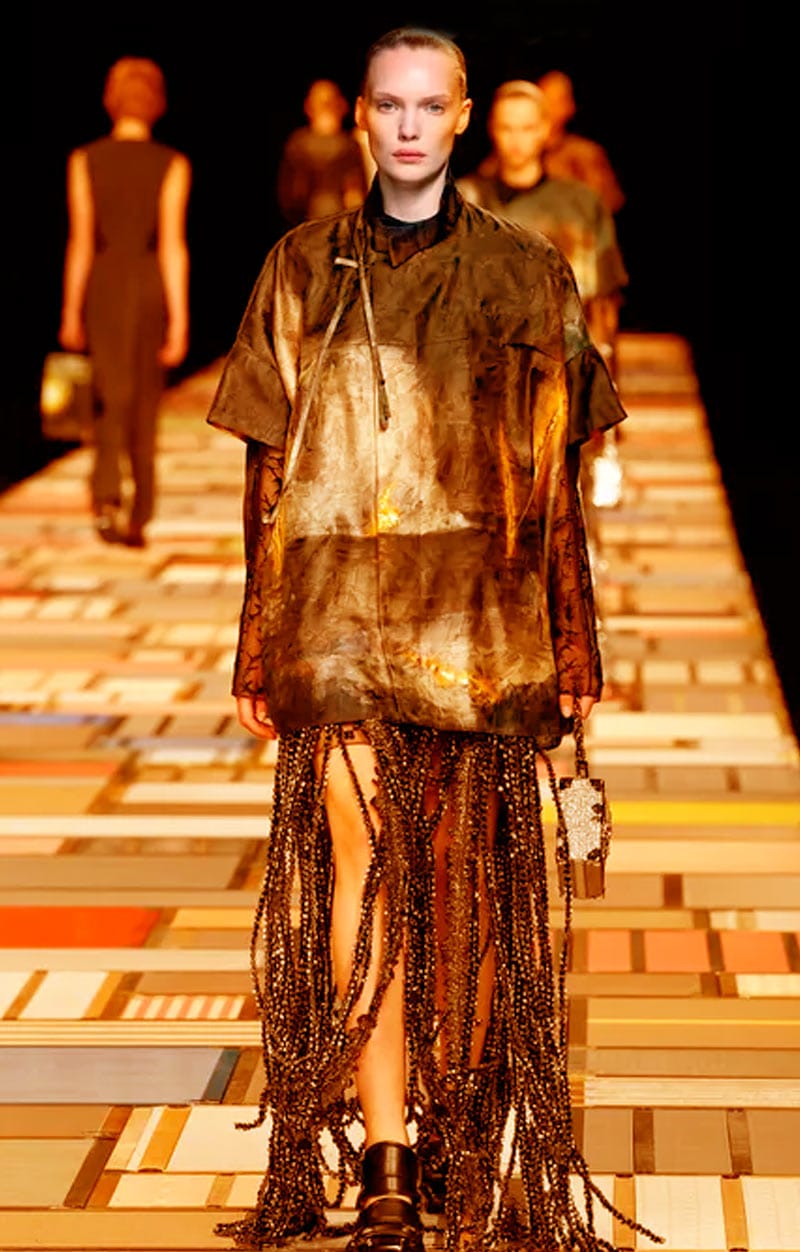
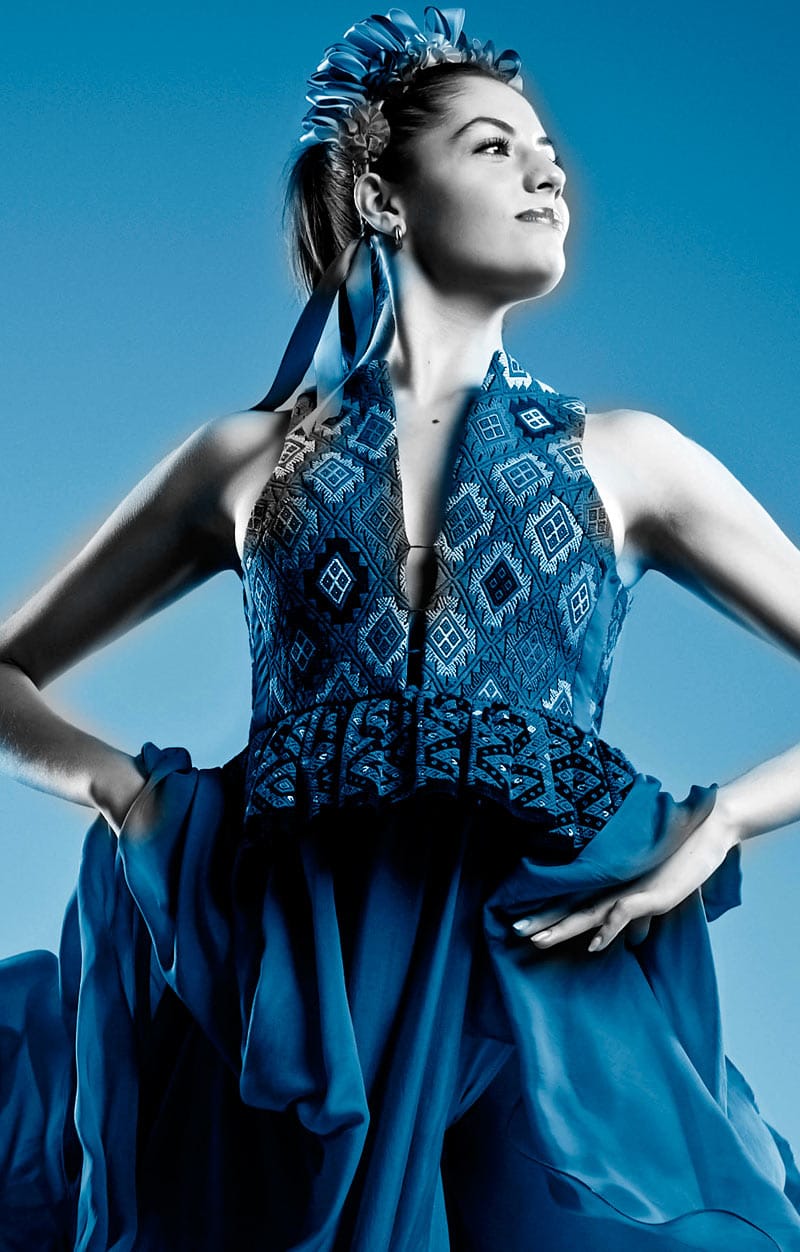
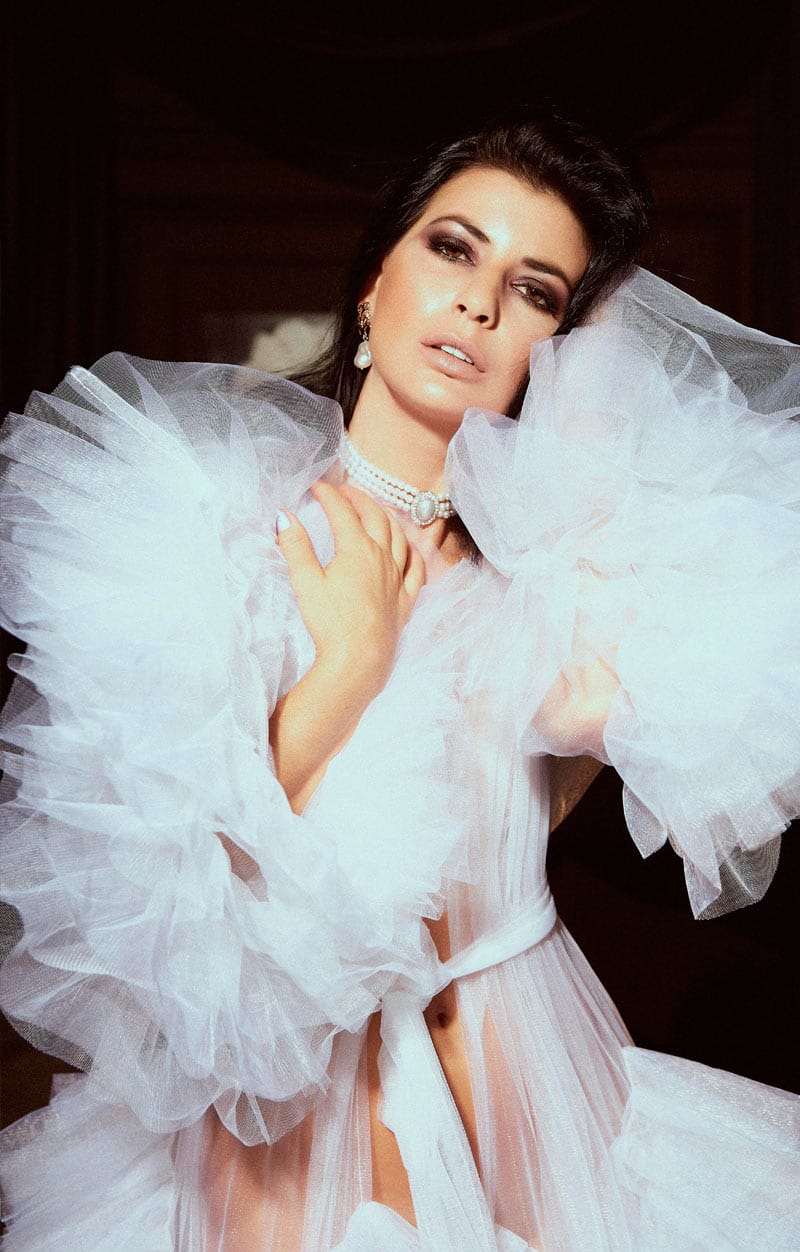
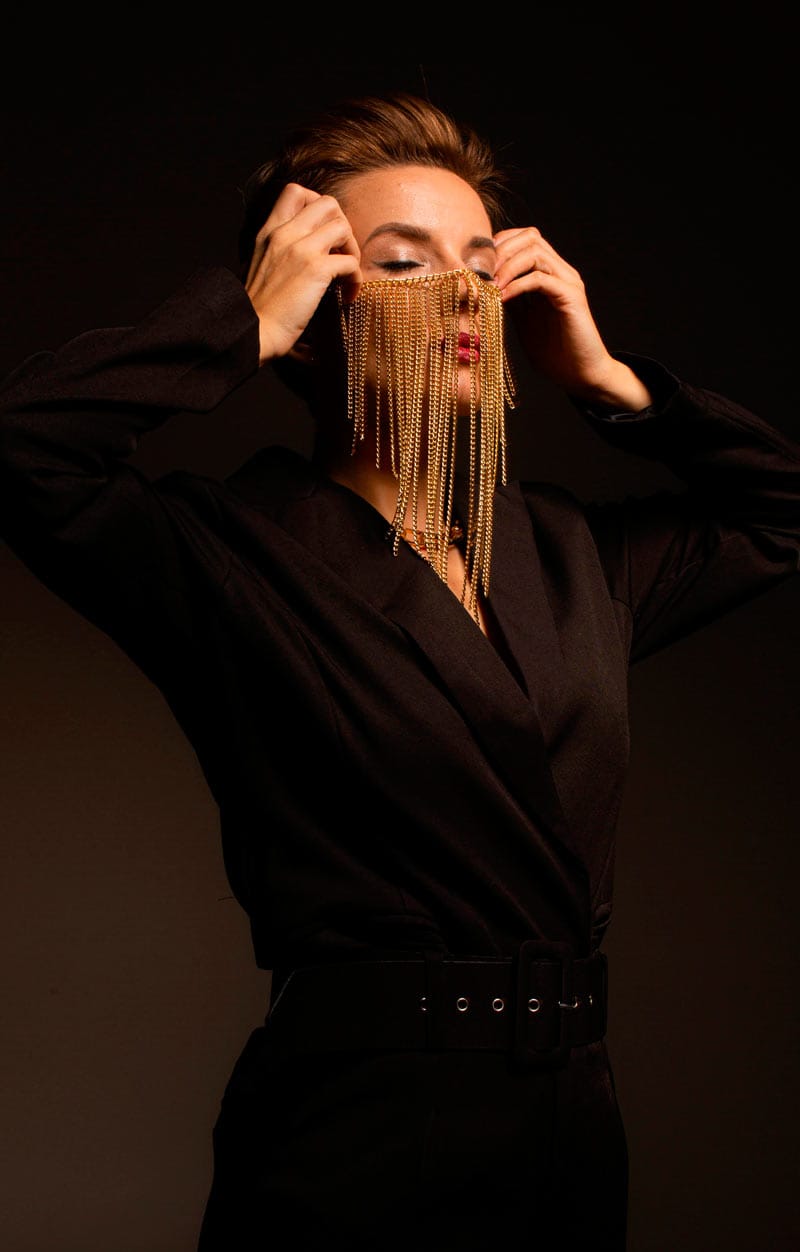
By 2026, designers will embrace an enchanting new era of couture defined by feathers, fringes, and fantasy. We will see the world’s most visionary fashion houses turning to these whimsical elements to elevate their collections beyond the ordinary. On upcoming runways, you will witness models gliding in gowns adorned with plush feather trims that shimmer under dramatic lighting, lending an ethereal quality to silhouettes both sleek and voluminous. Intricate fringe detailing will flow elegantly from sleeves, hems, and collars, creating fluid movement that captivates the eye and brings a sense of playful artistry to even the most minimalist ensembles.
As textures become the focal point of 2026’s most talked-about looks, designers will push boundaries by blending traditional craftsmanship with innovative materials. Expect to see unexpected color combinations, from delicate pastels to daring neons, woven into feather and fringe accents, transporting you into a world of vivid dreams. Surfaces will not merely be decorative; they will tell stories inspired by mythology, nature, and the cosmos, allowing wearers to step into an alternate reality.
High-tech production methods will allow for sustainable sourcing of feathers and eco-friendly, recycled threads for fringes, ensuring that this trend does not compromise ethical standards. Forward-thinking collectors, influencers, and style aficionados will embrace these pieces as wearable art, breaking free from the confines of rigid minimalism. By 2026, feathers, fringes, and fantasy will not only transform wardrobes but also reimagine the way we celebrate individuality, self-expression, and boundless creativity.
In 2026, designers will focus on subtle, wearable elements that elevate daily outfits without feeling costume-like. Expect soft, delicately placed feather accents on collars and cuffs, as well as refined fringe detailing on hemlines and sleeves. Lightweight, responsibly sourced materials and careful tailoring will ensure these dramatic touches feel approachable, comfortable, and effortlessly chic in your everyday wardrobe.
While fantasy elements like ethereal silhouettes, shimmering fabrics, and whimsical prints might sound extravagant, 2026’s trendsetters will balance them with thoughtful cuts and high-performance textiles. This blend of form and function will allow you to enjoy the enchanting allure of fantasy fashion without compromising comfort or durability. You’ll find pieces that seamlessly transition from a day at work to a night out, all while channeling a forward-thinking, imaginative aesthetic.
The beauty of 2026’s trends lies in their adaptability. If you lean toward minimalism, look for pieces that incorporate these elements in subtle, understated ways. Opt for a single feathered accessory, a fringe-trimmed clutch, or a hint of iridescent fabric on a neutral base. By mixing just a touch of fantasy with your clean, streamlined wardrobe, you can embrace the season’s latest looks while staying true to your personal style.
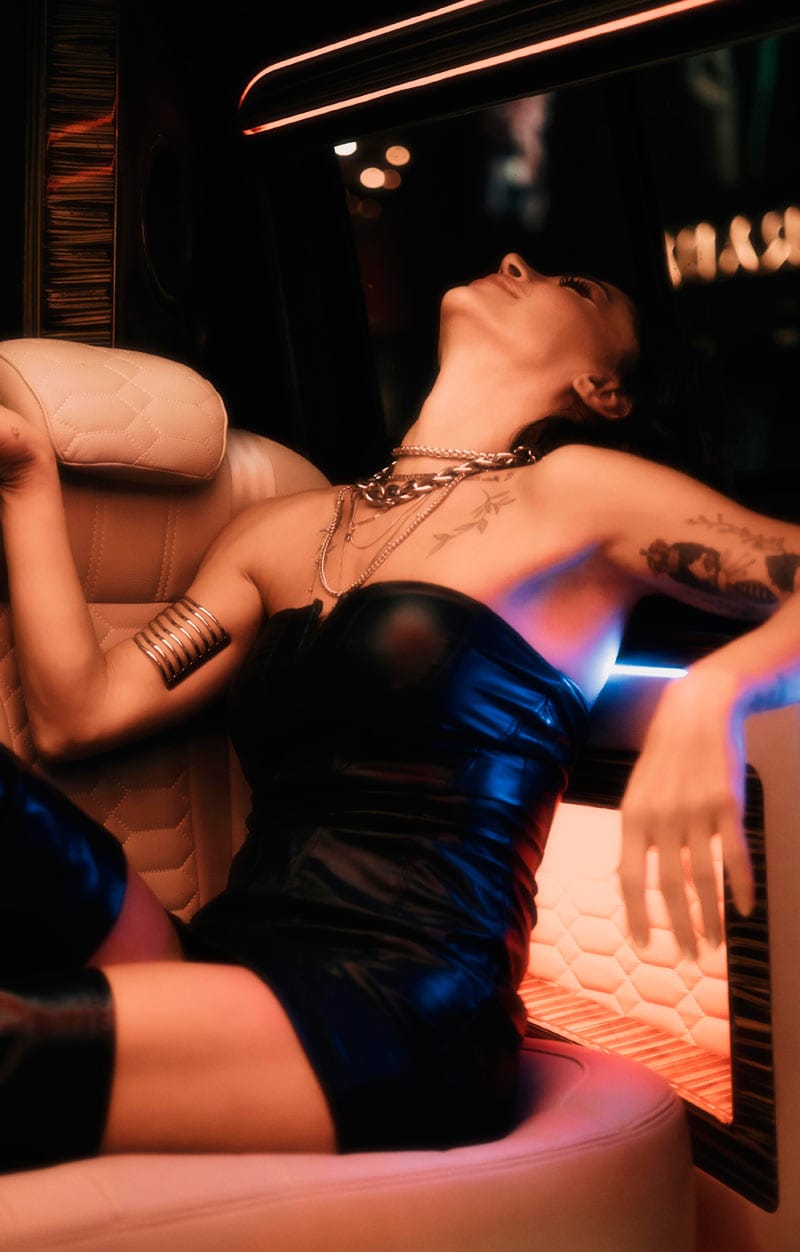
#13 Fashion Trend 2026: Embracing Bold Neutrals
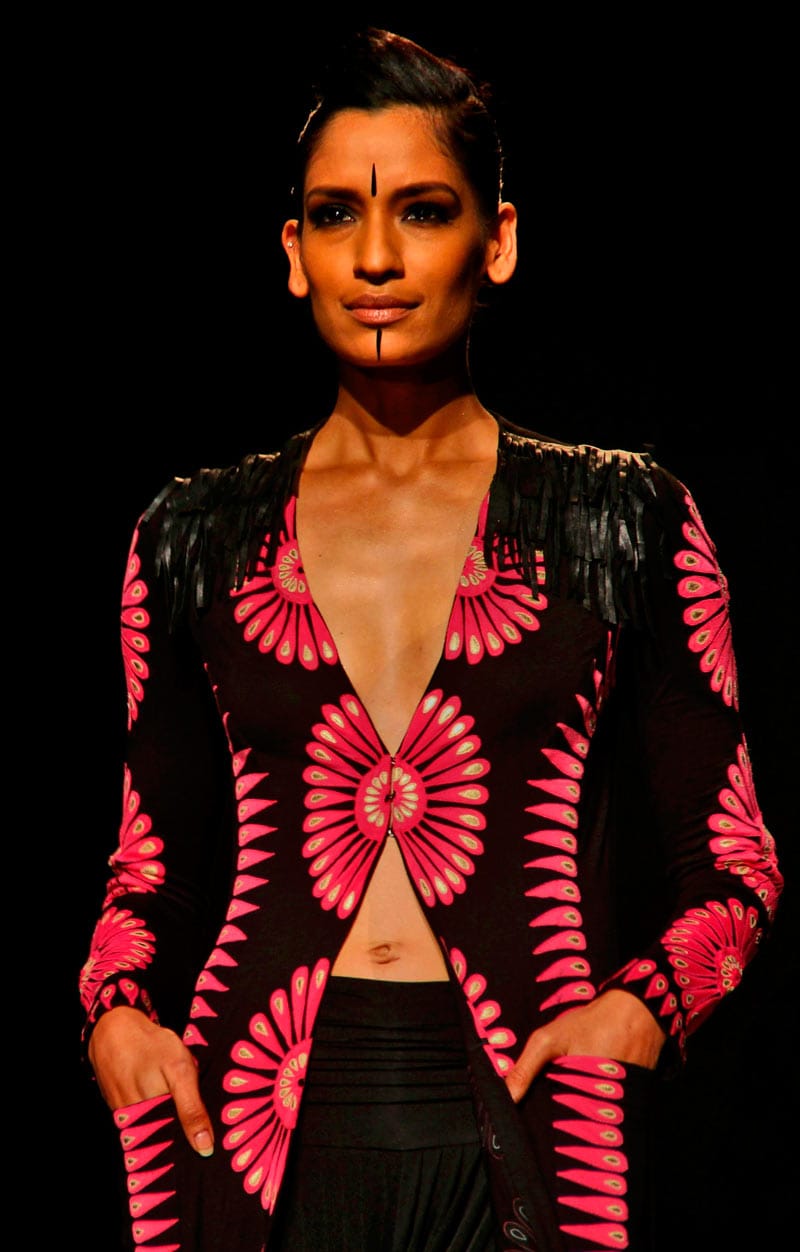
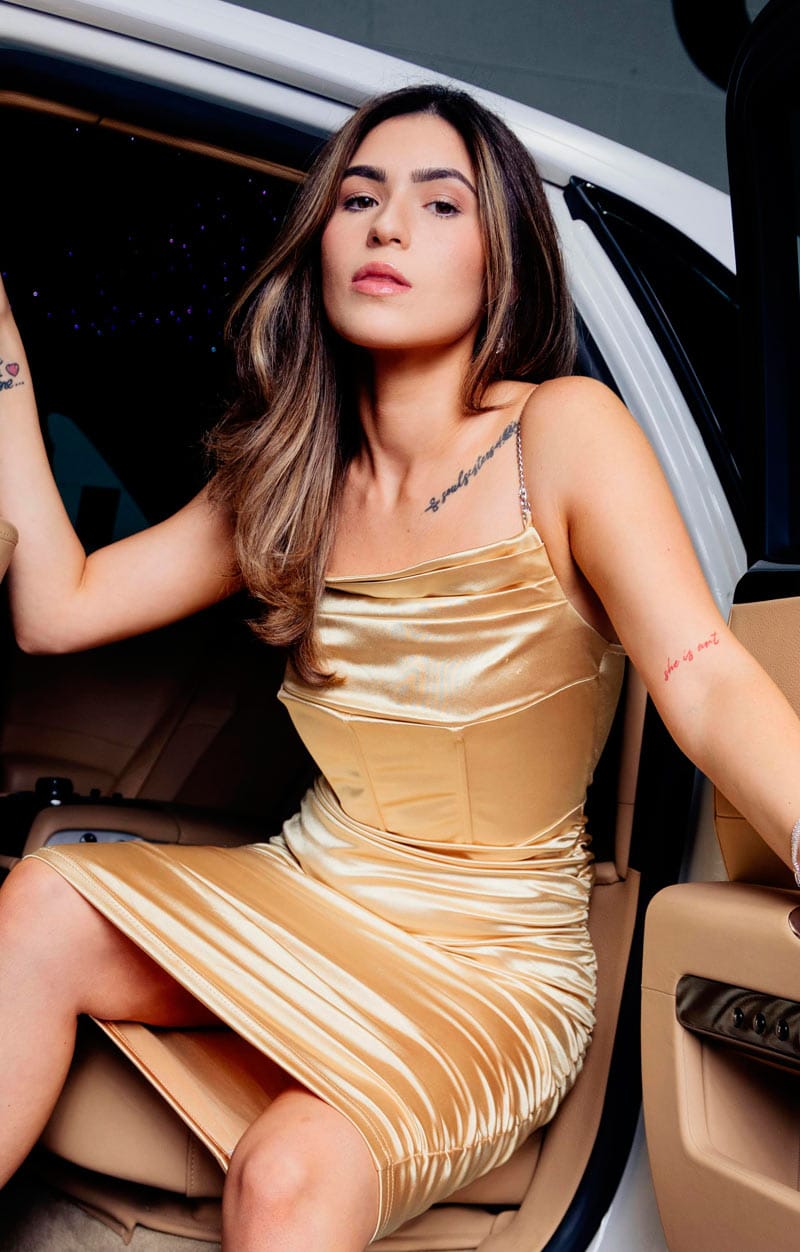
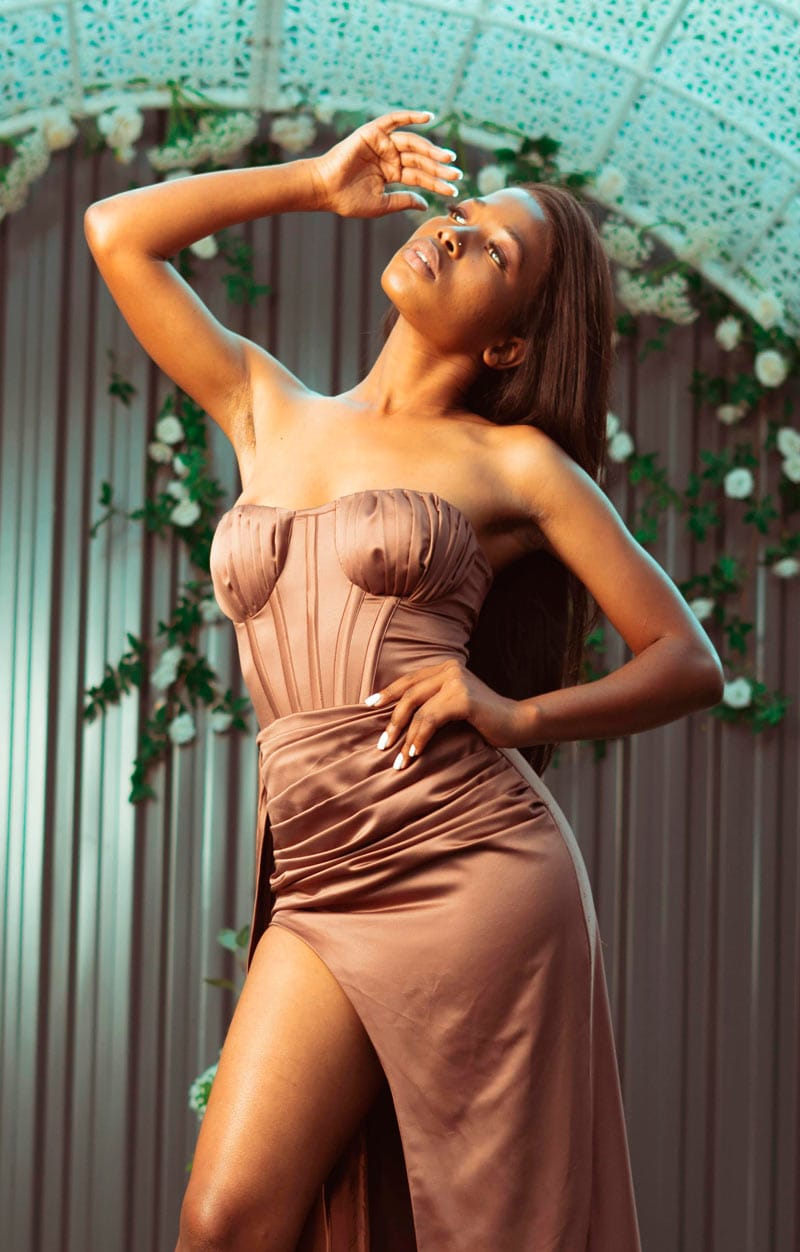
In 2026, the fashion world will redefine what it means to go “neutral.” Instead of fading into the background, neutrals will step boldly into the spotlight, transforming from simple supporting hues into the commanding focus of every wardrobe. Designers will approach these timeless shades with renewed creativity, layering them in ways that will feel both refreshing and sophisticated. Rather than relying on bright accent colors, collections will emphasize subtle tone-on-tone contrasts, using texture, finish, and cut to create visual interest.
Expect to see sheer organza dresses worn over structured corsets in earthy palettes, or wide-leg trousers paired with oversized knits, all anchored by these versatile neutrals. Tailoring will become more sculptural, ensuring that simple hues never feel dull. The future’s silhouettes will lean architectural to the absence of vibrant color will only accentuate the artistry and craftsmanship behind every piece.
Accessories will also embrace the bold neutral movement. Chunky boots, textured belts, and oversized totes will evolve into subtle statements rather than afterthoughts. Even beauty looks will complement this trend, focusing on dewy complexions, natural hues, and effortless hairstyles that enhance rather than overwhelm.
By embracing bold neutrals, 2026’s fashion will encourage us to appreciate quiet luxury, longevity, and timeless elegance. This approach will ultimately invite consumers to curate wardrobes that feel fresh, contemporary, and undeniably chic—proof that sometimes, the most compelling statement is one made without shouting.
In 2026, “bold neutrals” are taking center stage by infusing classic neutral tones with richer depth and contemporary flair. Instead of fading into the background, these updated neutrals boast dramatic undertones or layered textures, capturing attention without relying on bright hues. The result is a collection of versatile shades that feel both calming and forward-thinking, perfect for creating looks that are understated yet undeniably impactful.
Start small by selecting a statement piece, such as a structured blazer or a pair of tailored trousers in a rich, neutral tone. You can build from there, pairing these pieces with items you already own. Consider balancing lighter and darker neutrals together to achieve a sophisticated gradient effect. Accessorizing with subtle metallics or minimalist jewelry can also highlight the beauty of these colors. The key is to embrace layering and experimentation, mixing textures to add depth and dimension.
The magic of bold neutrals lies in their versatility. They’re equally suited to professional settings, casual weekends, and elegant evening events. Whether you opt for a flowing neutral maxi dress, a tailored two-piece suit, or a simple knit top and trousers, you’ll find that these shades transition effortlessly from day to night, and across seasons. In 2026, bold neutrals offer a timeless yet modern aesthetic that resonates with virtually any personal style.
#14 Fashion Trend 2026: Future-Forward Fabrics on Display
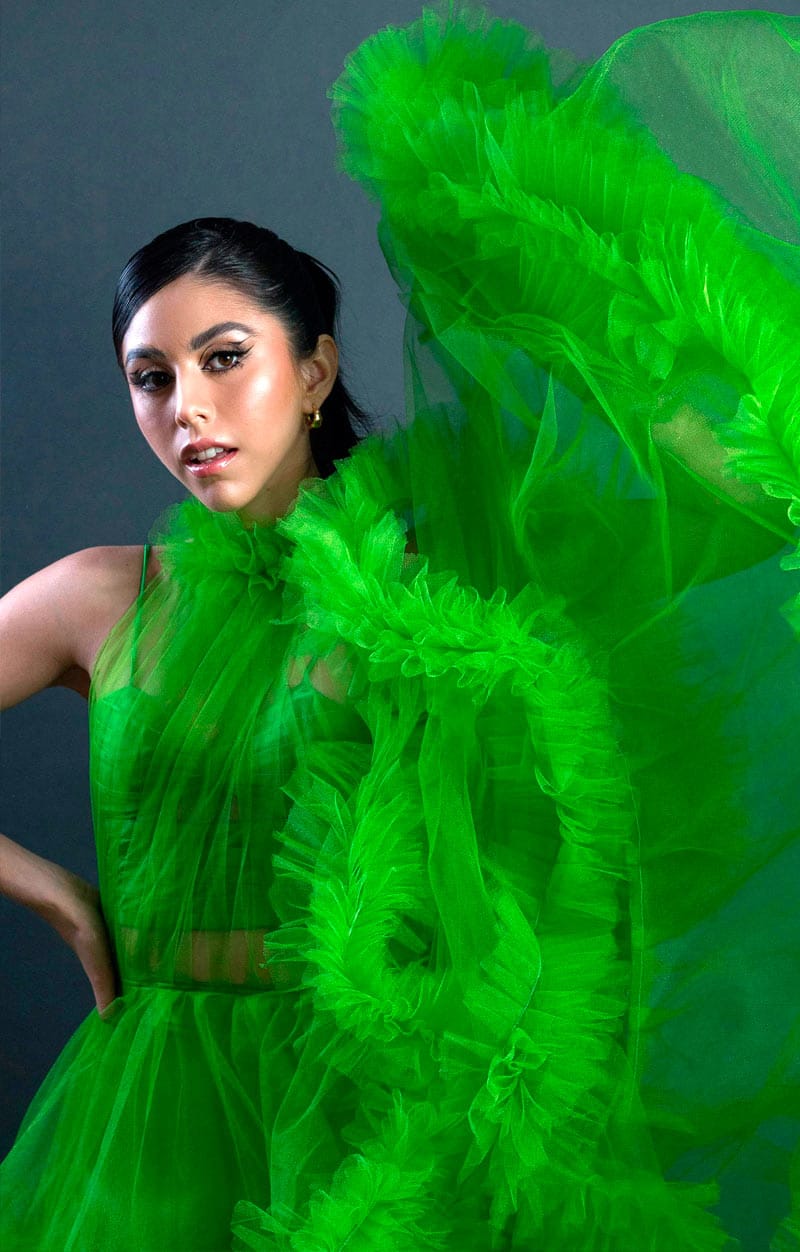
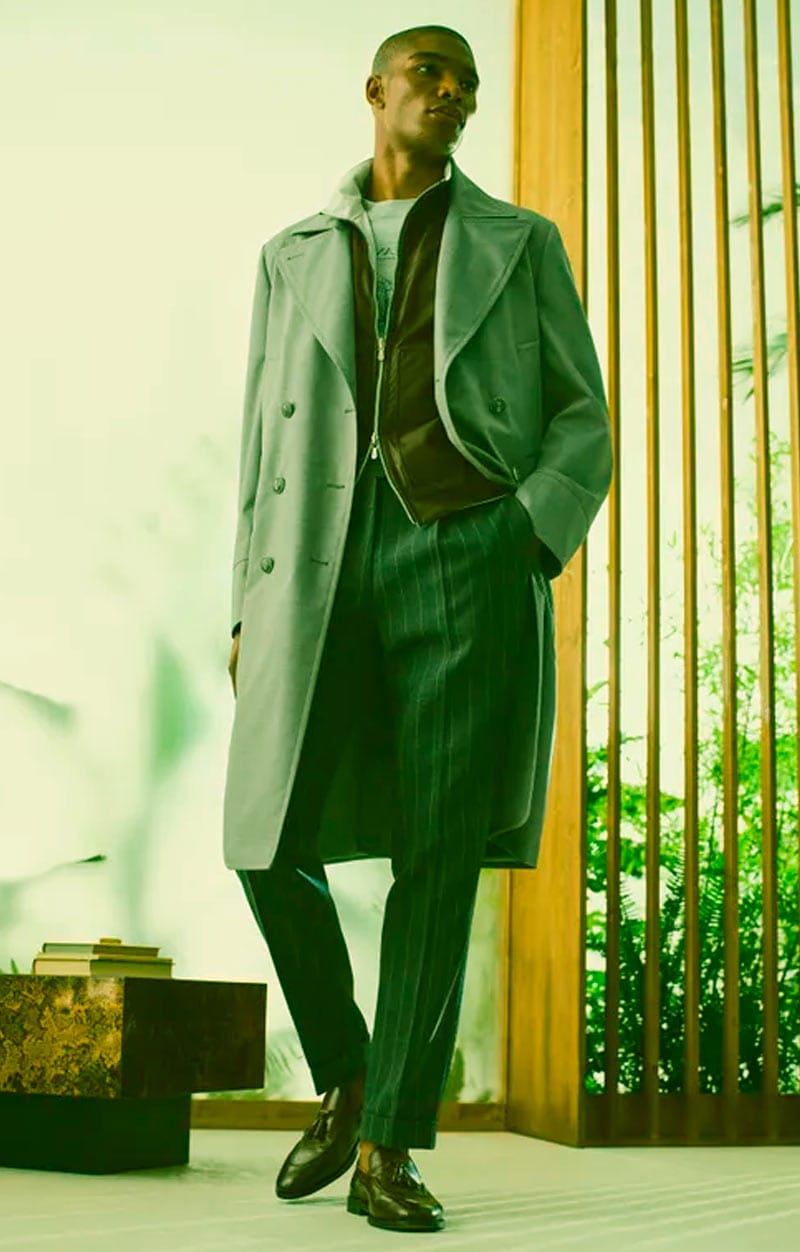
In 2026, designers will fully embrace a new era of textiles that redefine both style and sustainability. Future-forward fabrics will appear on runways worldwide, showcasing materials engineered for ultimate comfort, durability, and environmental responsibility. Imagine sumptuous knits spun from biodegradable plant fibers that mimic the softness of cashmere, yet break down harmlessly at the end of their life cycle. Blends of algae-based yarns and recycled microfibers will merge the natural with the synthetic, providing garments that respond intelligently to body temperature and humidity levels.
Expect to see clothing that adapts as you move, fabrics that morph and drape differently depending on how you interact with your environment. Designers will be experimenting with textile innovations developed in futuristic labs, including coatings derived from mycelium fungi that impart water resistance and antimicrobial properties without harming the planet. Meanwhile, advanced nano-finishes will enhance fiber strength, prolonging garment lifespans and pushing back against fast-fashion waste.
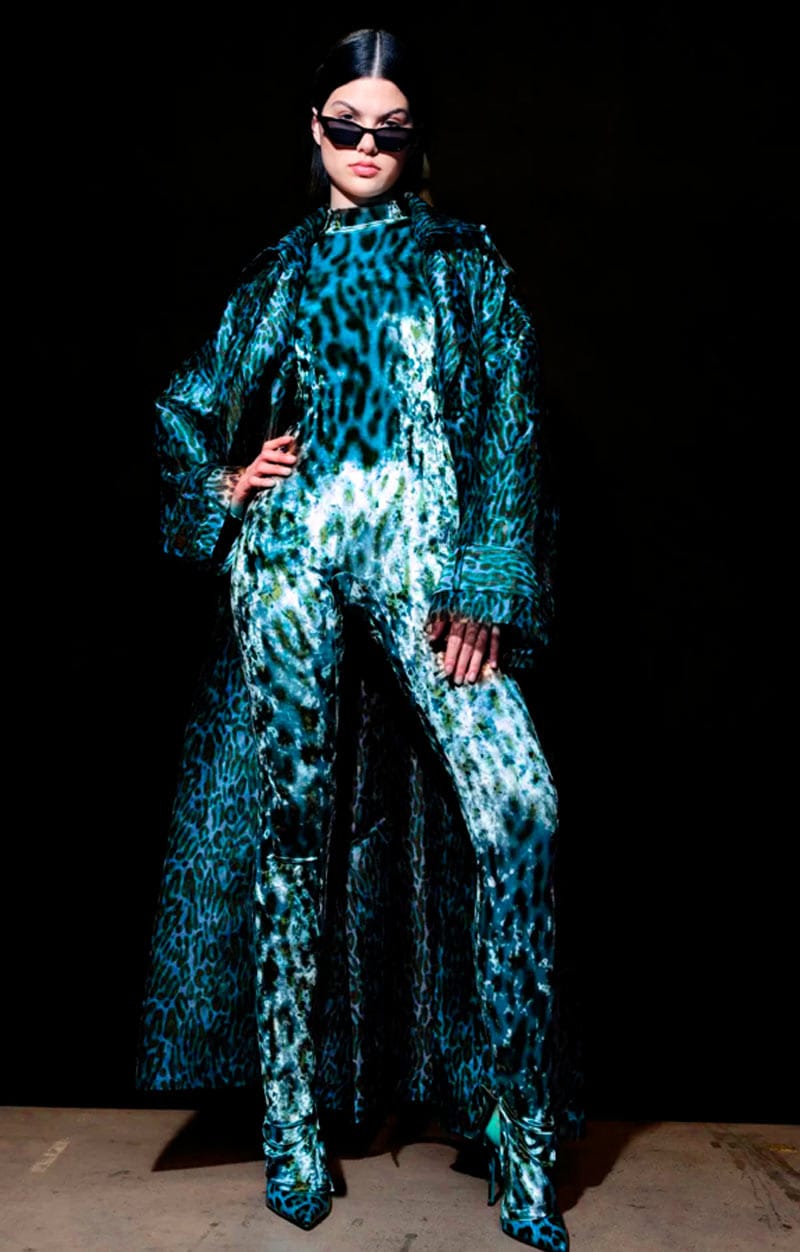
The color palette of these fabrics will be just as groundbreaking. Digital dyeing techniques and ultraviolet-sensitive finishes will ensure colors shift subtly under different lighting conditions. Imagine wearing a sleek jumpsuit that glows softly in dim environments or a jacket that responds to solar energy, revealing patterns as you step outside. Fabrics of the future will not merely clothe us; they will connect us, integrating wearable technology and data-driven design to bring personalization to the forefront. In 2026, future-forward fabrics will transcend functionality, weaving together sustainability, innovation, and aesthetic allure like never before.
Future-forward fabrics refer to innovative materials that incorporate advanced technologies and sustainable practices to enhance functionality, aesthetics, and environmental impact. In 2026, these fabrics are revolutionizing the fashion industry by offering features such as moisture-wicking, temperature regulation, and even embedded smart technology for connectivity and adaptability. Designers are leveraging materials like bio-fabricated textiles, recycled fibers, and smart textiles that respond to environmental stimuli. This shift not only elevates the performance and versatility of garments but also aligns with the growing demand for sustainable and ethically produced fashion. As a result, future-forward fabrics are becoming a cornerstone of contemporary collections, enabling brands to create stylish, high-performance pieces that meet the evolving needs of modern consumers.
Sustainability and technology are at the heart of future-forward fabrics, driving the creation of eco-friendly and high-performance materials. In 2025, manufacturers are utilizing recycled and bio-based fibers to reduce environmental impact, while also implementing closed-loop production processes to minimize waste. Technological advancements enable the development of fabrics with enhanced properties, such as self-cleaning surfaces, UV protection, and energy efficiency. Additionally, innovations like 3D knitting and digital printing allow for precise manufacturing, reducing excess material use and enabling on-demand production. These integrated approaches ensure that future-forward fabrics not only meet the aesthetic and functional demands of consumers but also contribute to a more sustainable and responsible fashion industry.
Pioneering brands are at the forefront of incorporating future-forward fabrics into their 2026 collections.
– Patagonia continues to lead with its commitment to sustainable materials, utilizing recycled polyester and innovative bio-based fibers in their outdoor apparel.
– Stella McCartney showcases cutting-edge textile technologies, including biodegradable fabrics and regenerative materials that support environmental restoration.
– Nike integrates smart textiles into their athletic wear, featuring fabrics with embedded sensors that monitor performance and provide real-time feedback to athletes.
– Versace blends luxury with innovation by using high-tech fabrics that offer unique textures and functionalities, setting new standards in haute couture. These brands exemplify how embracing future-forward fabrics can drive both creativity and sustainability, setting trends that inspire the entire fashion industry.
#15 Fashion Trend 2026: A Kaleidoscope of Color Stories
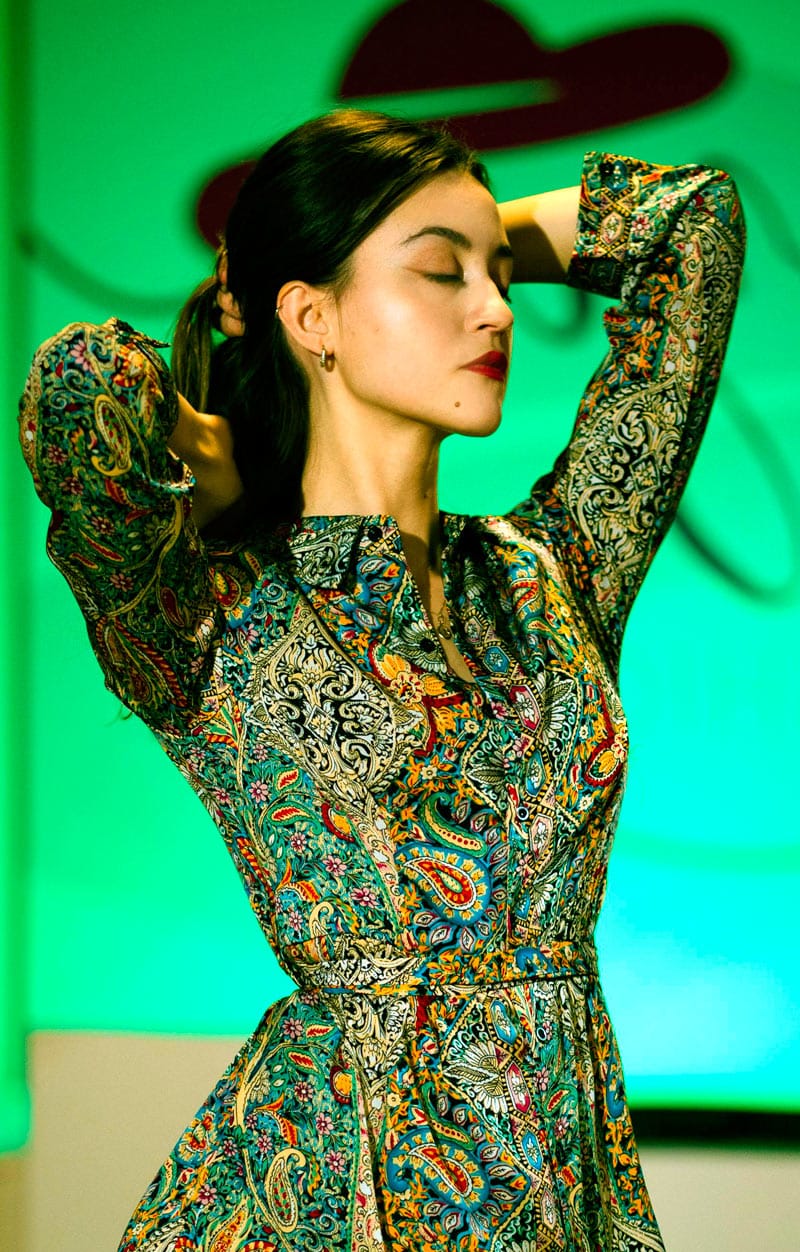
By 2026, fashion enthusiasts will witness an electrifying evolution of color, as designers embrace a bold spectrum that transcends traditional palettes and pushes the boundaries of creative expression. This upcoming season, color stories will no longer simply complement silhouettes; they will define them, shaping entire collections into fully immersive visual narratives. Rich jewel tones will dance alongside soft pastels, while unexpected neon accents will inject a playful energy into otherwise serene ensembles.
Designers will experiment with innovative dyeing techniques, producing iridescent fabrics that capture and refract light, turning garments into moving prisms of brilliance. Runways will shimmer with multi-hued satin, velvet, and organza, each piece telling a unique chromatic tale. The interplay of texture and color will be paramount, as designers pair fluid fabrics in contrasting shades, creating a dynamic visual language that entices the eye and ignites the imagination.
Influenced by global cultural exchanges, the colors of 2026 will draw from diverse inspirations – vibrant street art in urban centers, radiant landscapes from distant shores, and the hypnotic digital realms of virtual fashion. Color-blocking will merge with gradient techniques, producing ombré effects that flow naturally, as if captured from shifting sunsets or deep ocean tides.
Fashion lovers will find themselves spellbound by these cascading hues, mixing and matching pieces to curate their own kaleidoscope of self-expression. This will be a year where boundaries blur, colors clash then coalesce, and the world of fashion evolves into a breathtaking tapestry of chromatic possibilities waiting to be worn.
“A Kaleidoscope of Color Stories” celebrates the vibrant and dynamic use of color in 2026’s fashion landscape. This trend emphasizes bold, unexpected color combinations, gradient effects, and rich palettes inspired by diverse cultural influences and natural phenomena. Designers are experimenting with hues that evoke emotion and storytelling, creating visually stunning and memorable collections.
Designers are using innovative techniques such as color-blocking, ombre gradients, and digital printing to bring “A Kaleidoscope of Color Stories” to life. They are also drawing inspiration from art, nature, and global cultures to create unique color narratives. Sustainable dyes and fabric treatments are being utilized to achieve vibrant, long-lasting colors while maintaining eco-friendly practices.
This trend highlights the power of color as a form of personal and cultural expression, fostering individuality and inclusivity in fashion. “A Kaleidoscope of Color Stories” encourages experimentation and creativity, pushing the boundaries of traditional color usage. It also reflects a broader movement towards optimism and positivity, using color to uplift and inspire in a rapidly changing world.
#16 Fashion Trend 2026: The Evolution of Statement Accessories
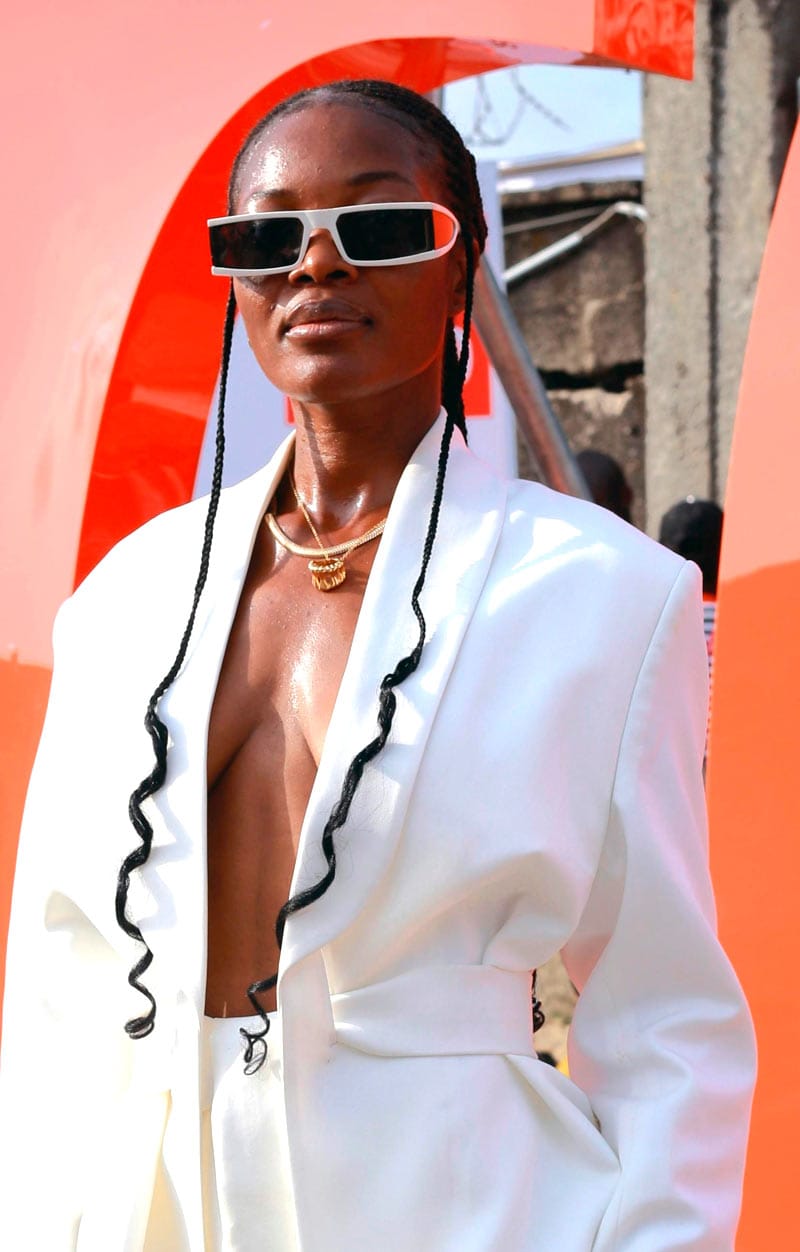
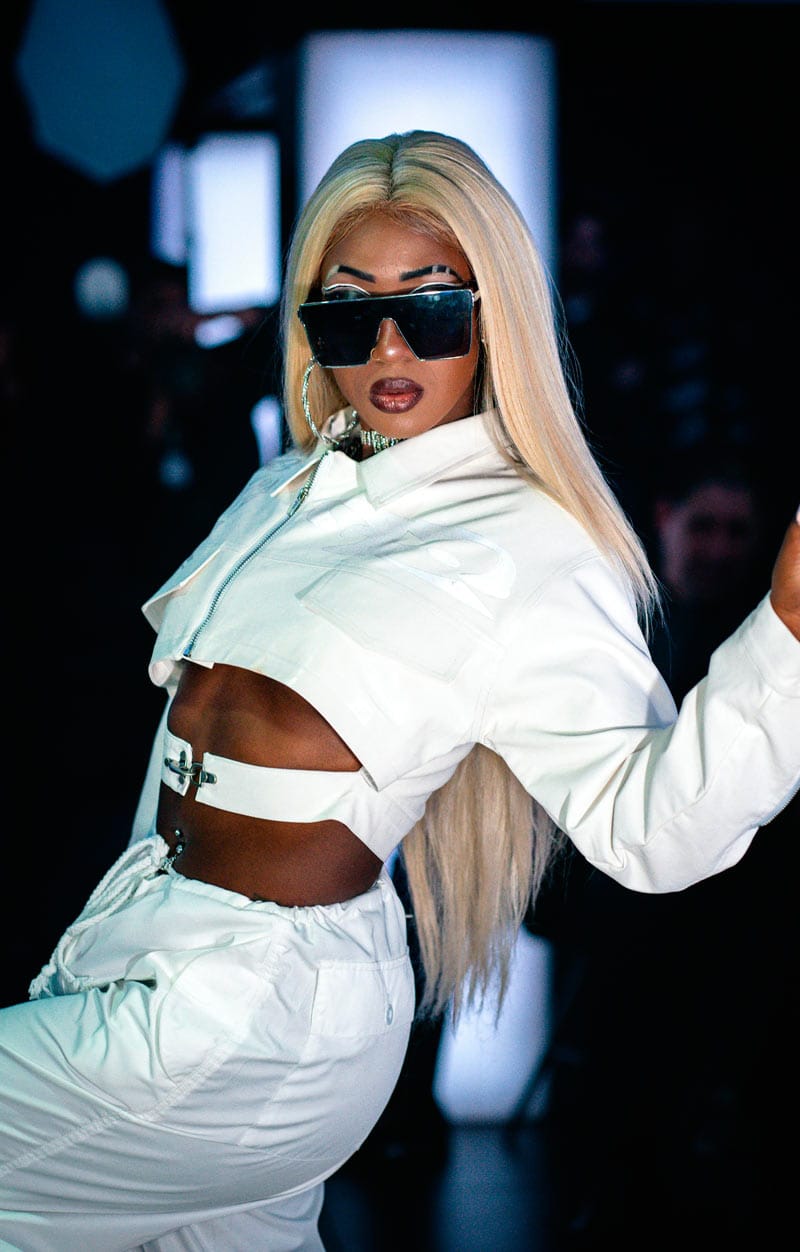
In 2026, statement accessories will evolve far beyond traditional notions of jewelry and bags, becoming wearable art that transcends the purely decorative. Designers will experiment with unexpected materials ensuring that each piece will tell a story of heritage, innovation, and conscious creation. These accessories will no longer be an afterthought; instead, they will act as the very centerpieces that define entire looks.
You will see designers pushing the boundaries of craftsmanship, combining advanced technologies like 3D printing and digital embroidery to form intricate, sculptural pieces that feel more akin to gallery installations than everyday items. Their designs will celebrate bold shapes and eye-catching colors, yet remain adaptable to a variety of personal styles. Detachable elements, modular structures, and interactive components will provide a sense of customization and uniqueness, making each accessory feel as personal as a signature.
Furthermore, accessories will reflect the rising importance of sustainability and responsible sourcing. By 2026, many fashion houses will prioritize eco-friendly production methods and traceable supply chains, reassuring consumers that their choices support positive change.
In this future landscape, accessories will not just complement garments, but also communicate values. They will speak to the wearer’s personality, embracing fluidity, and diversity. Whether it is a sculptural necklace, a bag that lights up at night, or earrings that subtly transform shape, statement accessories will capture the imagination and herald a new era of fashion – one where individuality, ethics, and artistic innovation lead the way.
In 2026, statement accessories are evolving through a blend of bold design, sustainable materials, and smart technology integration. Designers are pushing the boundaries with oversized shapes, vibrant colors, and intricate details that make each piece a focal point. Additionally, there is a strong emphasis on eco-friendly materials such as recycled metals, biodegradable fabrics, and ethically sourced gemstones. Smart accessories featuring wearable technology, like interactive jewelry and multifunctional bags, are also becoming popular, allowing users to blend style with functionality seamlessly.
Incorporating 2026’s statement accessories into your daily wardrobe can be both fun and effortless. Start by selecting one standout piece, such as a bold necklace, oversized earrings, or a unique handbag, and pair it with more understated clothing to let the accessory shine. Mixing textures and colors can add depth to your look, while layering multiple accessories can create a personalized and trendy appearance. Additionally, consider integrating tech-savvy accessories, like smartwatches or LED-enhanced items, to add a modern twist to classic outfits. The key is to balance statement pieces with complementary elements to create a cohesive and stylish ensemble.
Sustainability is a major influence on statement accessory trends in 2026, with designers prioritizing eco-friendly practices throughout the creation process. This includes using recycled and upcycled materials to reduce waste, opting for biodegradable components, and ensuring ethical sourcing of all materials. Innovative techniques such as 3D printing are being utilized to minimize material usage and allow for customizable, on-demand production, which decreases overproduction and inventory waste. Additionally, brands are adopting transparent supply chains and promoting circular fashion models, encouraging consumers to recycle or repurpose their accessories. These sustainable practices not only contribute to environmental preservation but also resonate with consumers’ growing preference for responsible and conscious fashion choices.
#17 Fashion Trend 2026: Bridging Cultures and Couture
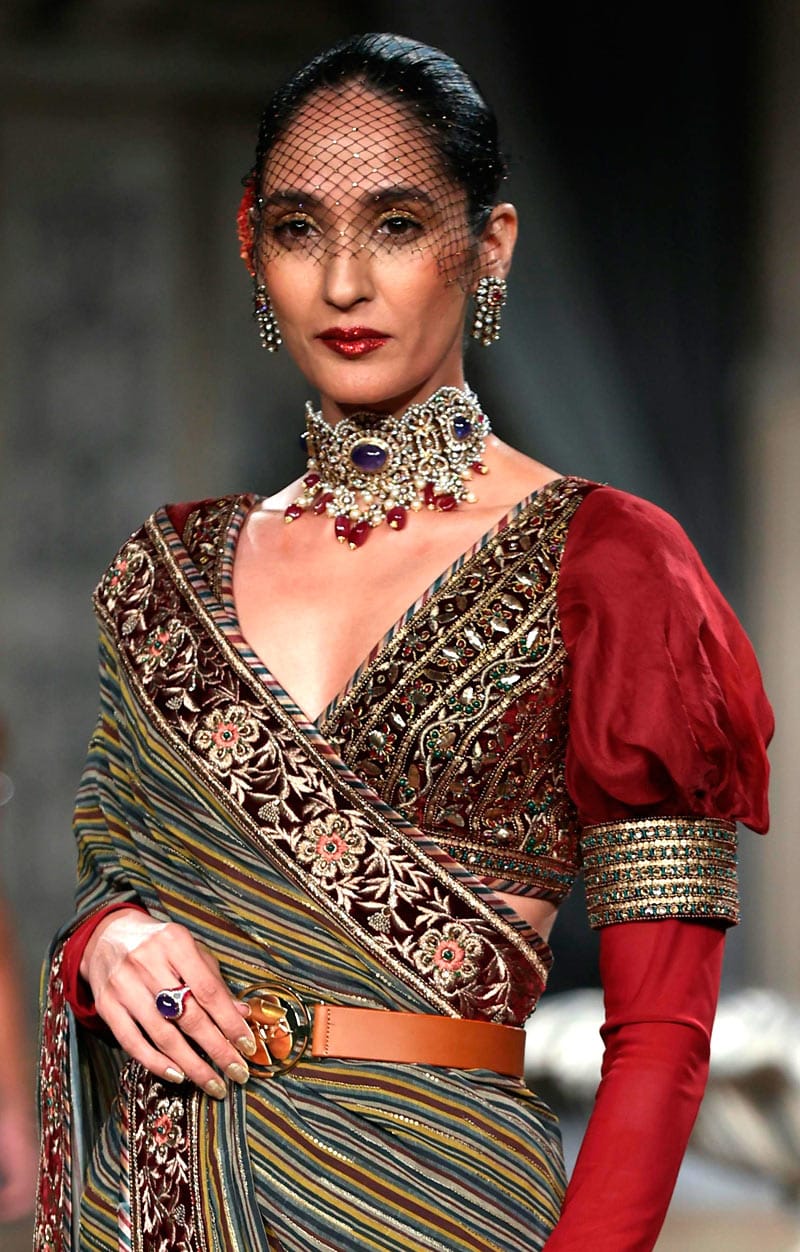
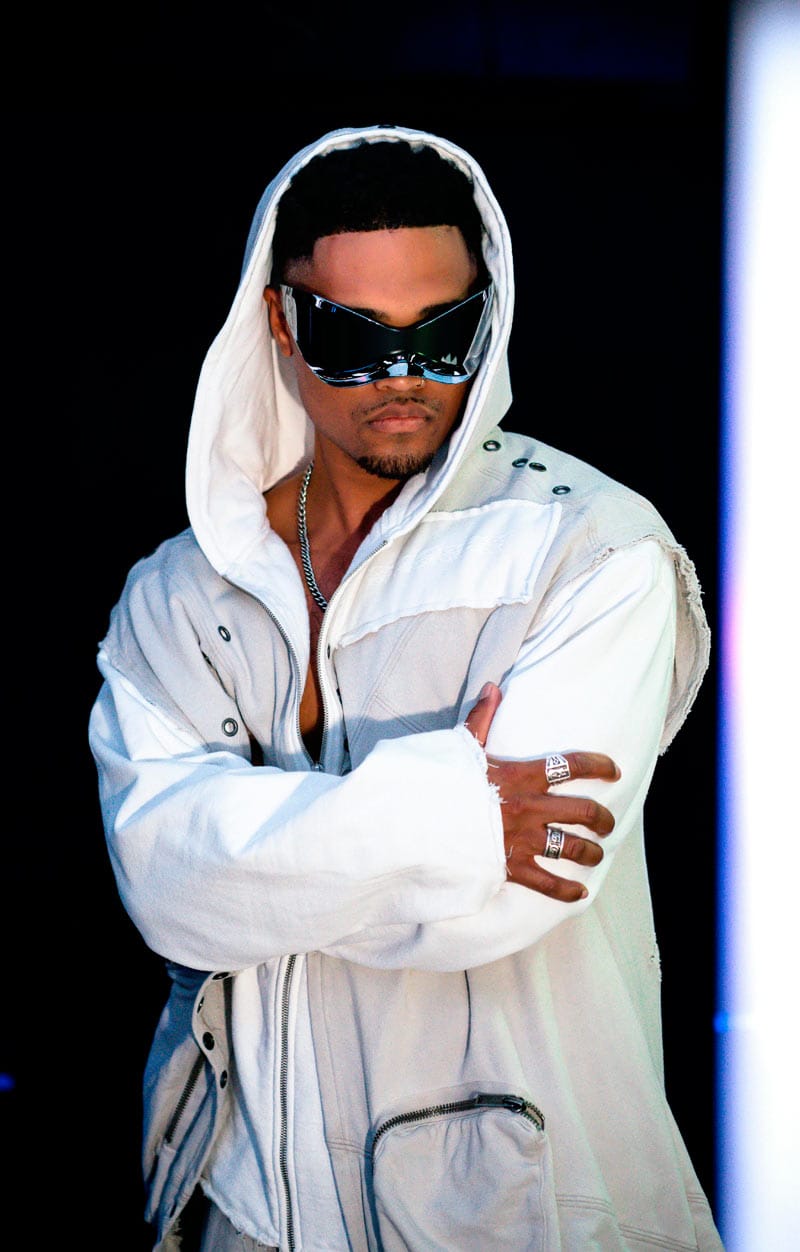
In 2026, global fashion designers will redefine the narrative of style by seamlessly integrating cultural elements from diverse corners of the world. They will move beyond traditional silhouettes and materials, opting instead to celebrate the authenticity and beauty of unique heritages. This trend, characterized by exquisite craftsmanship, will honor centuries-old art forms while injecting them with fresh perspectives and modern techniques.
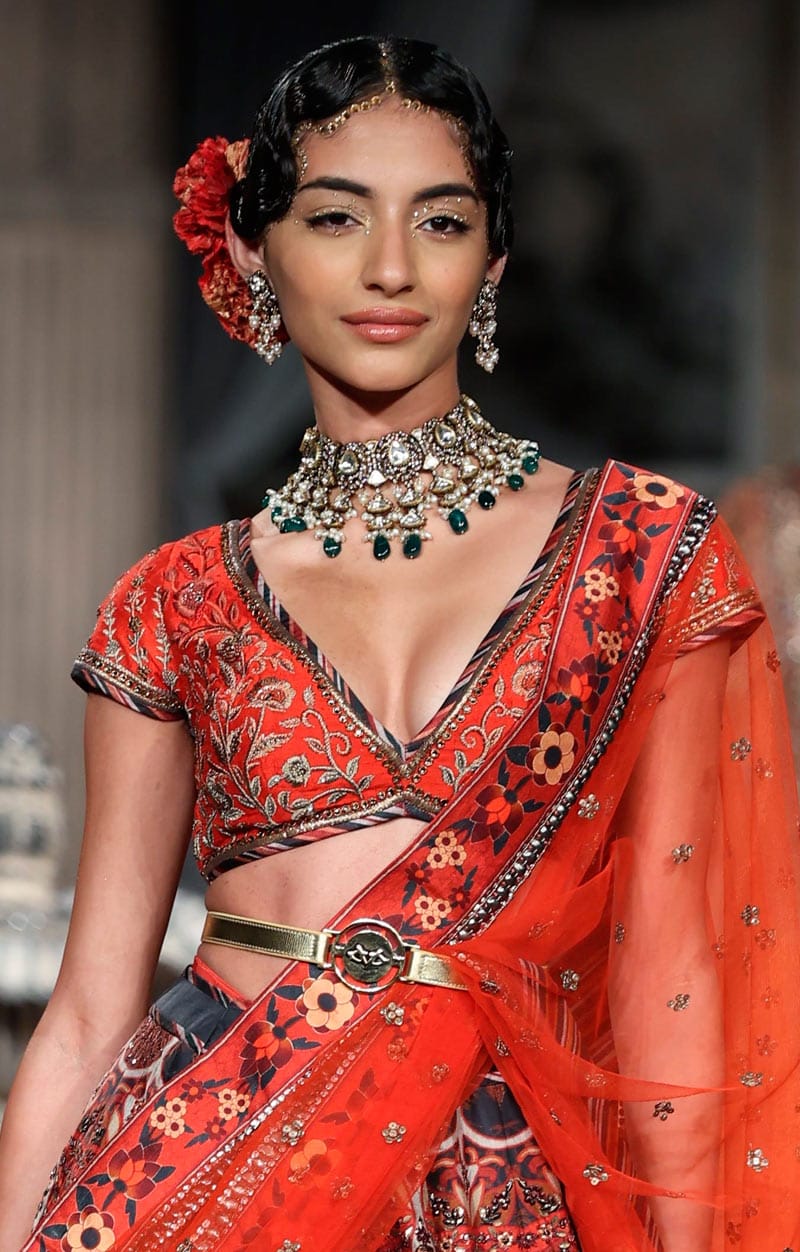
Designers will embrace the concept of cultural collaboration, drawing inspiration from ancestral embroidery, intricate beadwork, and indigenous textile traditions. Garments will feature carefully curated motifs that tell stories of distant lands, forging an emotional connection between the wearer and the people behind each creation. Silk scarves printed with West African mud cloth patterns, Japanese-inspired kimono wraps made from hand-dyed Bolivian alpaca fibers, and Italian leather sandals adorned with handcrafted Thai accents will become symbols of thoughtful fusion.
Technological advancements, such as 3D printing and virtual reality modeling, will further expand designers’ capabilities, enabling them to experiment with shapes, textures, and colors once limited by geography. By merging these innovations with timeless aesthetics, the industry will encourage dialogue, understanding, and respect among communities worldwide.
In 2026, this cultural bridging will resonate with fashion enthusiasts who crave authenticity and meaningful engagement. Instead of one dominant aesthetic, there will be a continuous exchange of ideas. The resulting collections will celebrate both individual identities and collective experiences, reminding us that fashion can serve as a powerful medium to unite people, spark curiosity, and expand our appreciation of global traditions.
“Bridging Cultures and Couture” signifies a transformative approach in the fashion industry where designers seamlessly integrate diverse cultural elements into high-end fashion. In 2025, this trend will emphasize the fusion of traditional craftsmanship from various cultures with modern design techniques, resulting in unique, globally-inspired collections. This blending not only celebrates cultural diversity but also fosters a more inclusive and interconnected fashion landscape, where heritage and innovation coexist harmoniously.
Designers are embracing Bridging Cultures and Couture by sourcing authentic textiles, patterns, and techniques from different regions around the world. They collaborate with artisans and cultural experts to ensure respectful and accurate representation of each culture’s heritage. Additionally, technology plays a key role, enabling designers to experiment with traditional motifs in contemporary silhouettes and sustainable materials. This approach allows for the creation of garments that honor cultural origins while appealing to a global audience, resulting in pieces that are both meaningful and stylish.
The Bridging Cultures and Couture trend is set to have a profound impact on the global fashion industry by promoting greater cultural appreciation and collaboration. It encourages brands to adopt more sustainable and ethical practices by valuing artisanal craftsmanship and local materials. This trend also opens up new markets and opportunities for emerging designers from diverse backgrounds, fostering a more equitable industry. Furthermore, it enhances consumer awareness and demand for unique, culturally rich fashion pieces, driving innovation and creativity across the board. Ultimately, this trend will lead to a more diverse, inclusive, and vibrant fashion world.
#18 Fashion Trend 2026: Slow Fashion Finds Its Moment
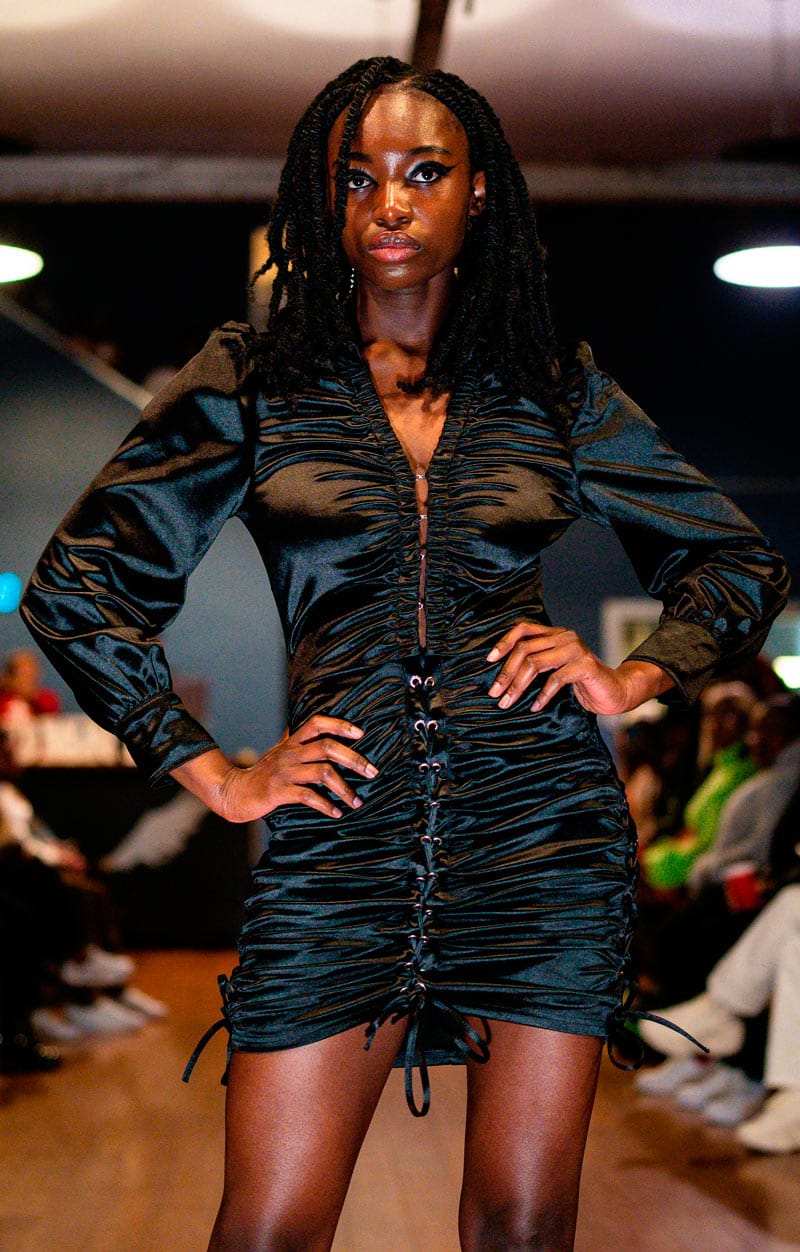
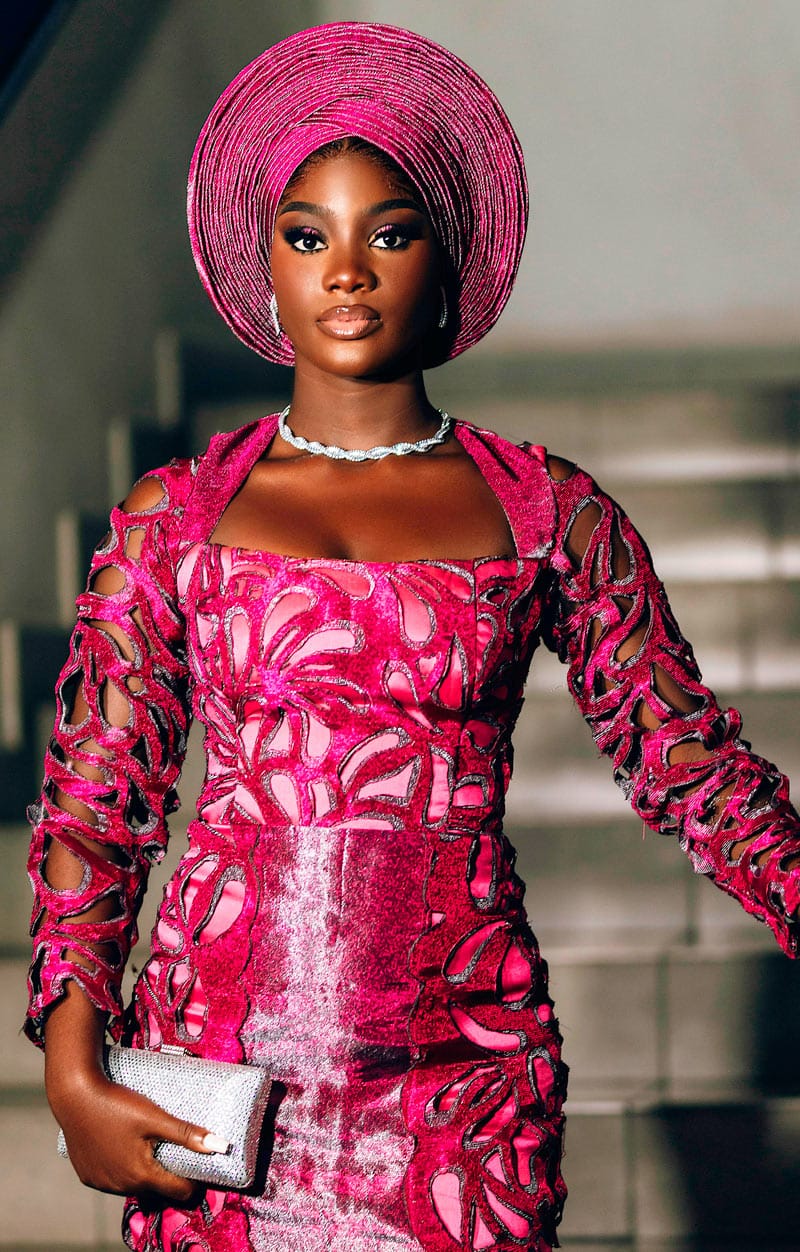
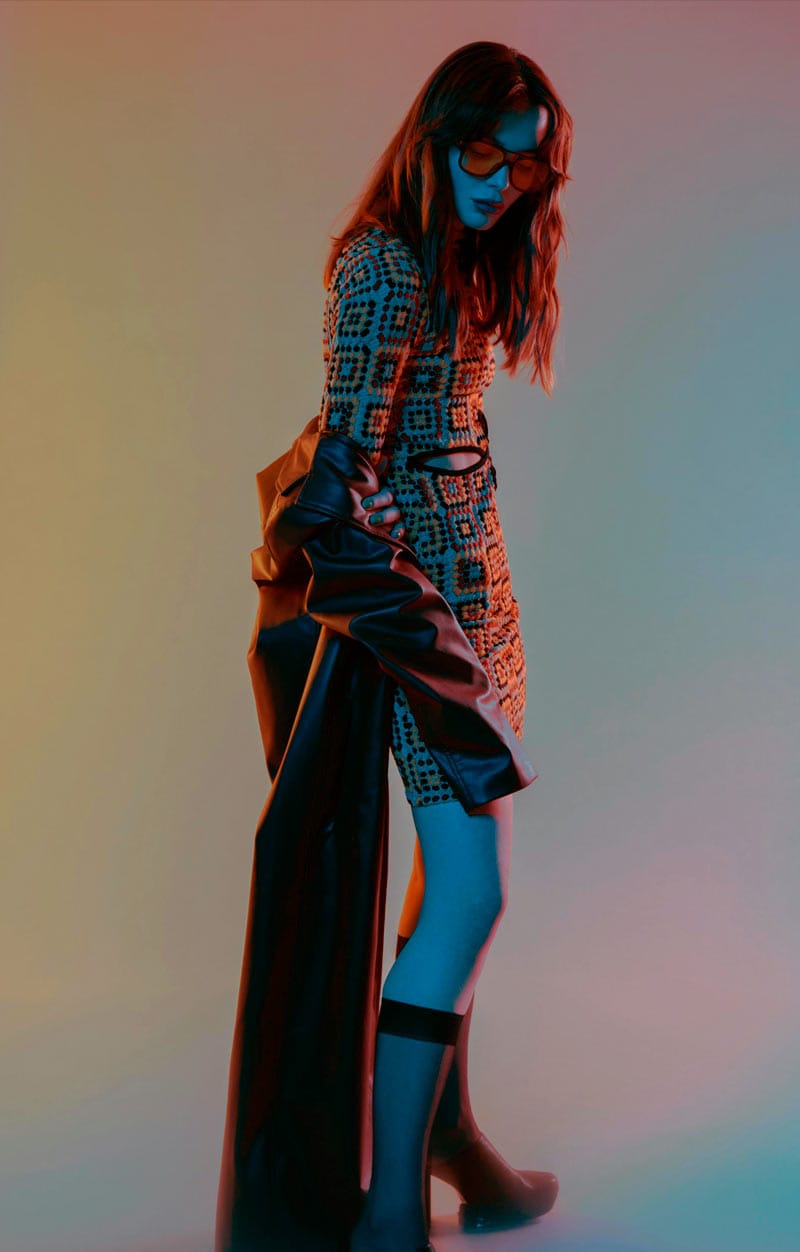
In 2026, slow fashion will fully emerge from the shadows, captivating global audiences with its purposeful elegance and sustainable ethos. Designers will prioritize ethically sourced materials, blending tradition with innovation to ensure garments endure beyond fleeting trends. As the world’s top fashion houses embrace eco-conscious production methods, consumers will gain unprecedented access to collections that reflect craftsmanship, respect for workers, and environmental stewardship.
Boutiques will curate limited-run pieces that highlight quality over quantity. Labels will partner with artisan cooperatives, breathing fresh life into heritage techniques and translating age-old patterns into modern silhouettes. Consumers, increasingly informed and discerning, will demand transparency, pushing brands to reveal their supply chains and celebrate the human touch behind every stitch. New technologies, from blockchain tracking to biodegradable fabrics, will further reinforce this slow fashion renaissance.
In response, editorial campaigns will focus on timeless design, guiding readers toward investments that transcend seasons. Fashion influencers will pivot to stories of care, repair, and longevity, while resale platforms will enjoy rising prestige as shoppers rediscover the thrill of owning garments with histories. By 2026, slow fashion will no longer be niche; it will define how the industry measures success, shifting the emphasis from mass production to mindful creation.
As these values resonate widely, wardrobes will mature into curated expressions of personal style and ethics. Slow fashion, once a whisper in the crowd, will step confidently onto center stage, demonstrating that patience, respect, and quality truly set the tone for style in a new era.
In 2026, the Slow Fashion movement will emphasize quality, sustainability, and ethical production over mass-produced, disposable garments. Unlike fast fashion, which focuses on rapid turnover and low costs, slow fashion will prioritize timeless designs made with eco-friendly materials and fair labor practices. This approach will influence designers to create pieces that last longer and have a smaller environmental footprint.
Designers are integrating Slow Fashion by using eco-friendly materials, adopting transparent supply chains, and focusing on craftsmanship. Brands are prioritizing local production to reduce carbon footprints, utilizing recycled or organic fabrics, and implementing fair labor practices. Additionally, many are offering customizable and made-to-order options, ensuring each garment is unique and tailored to individual needs, thereby minimizing waste and promoting sustainability.
Consumers will be able to embrace slow fashion by investing in high-quality, versatile pieces that stand the test of time. Supporting brands that are transparent about their sourcing and manufacturing processes will be key. Additionally, practices like upcycling, repairing clothing, and choosing second-hand options will become more popular, allowing individuals to reduce waste and promote a more sustainable fashion ecosystem.
#19 Fashion Trend 2026: Technology Shapes the Runway
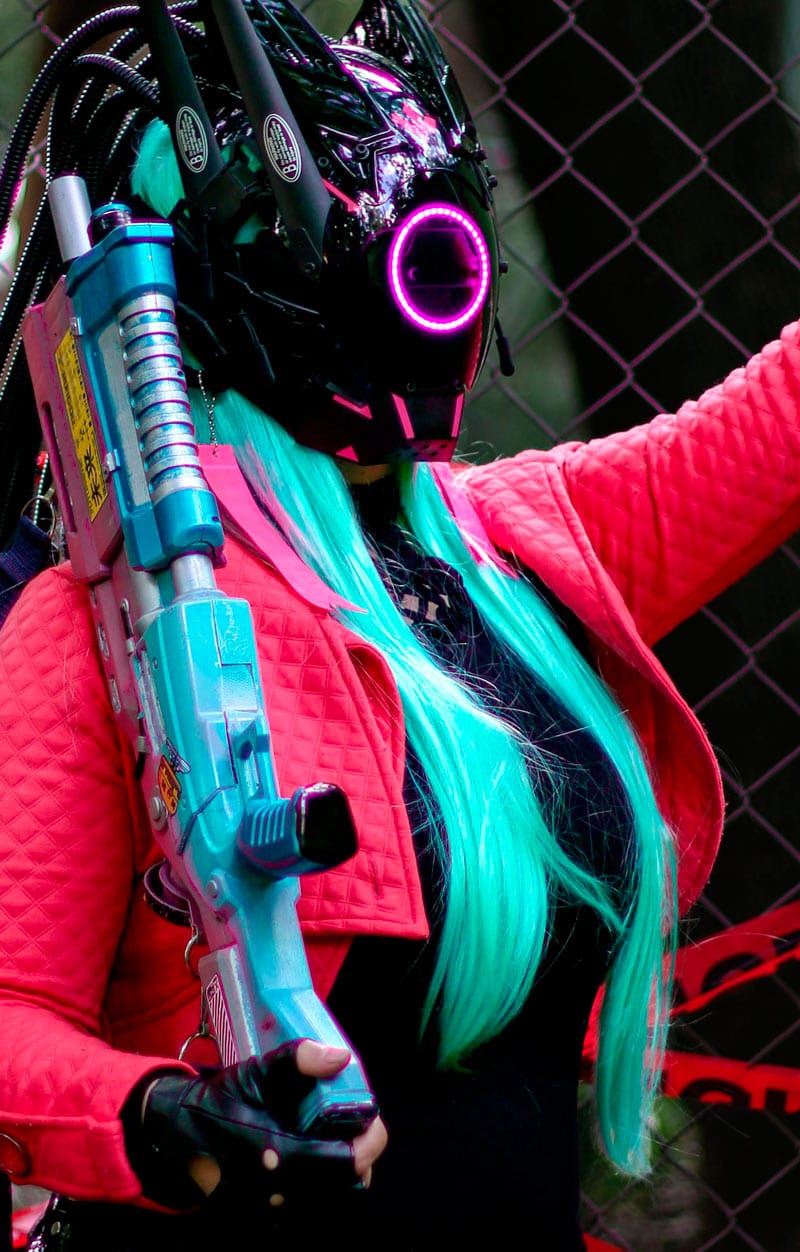
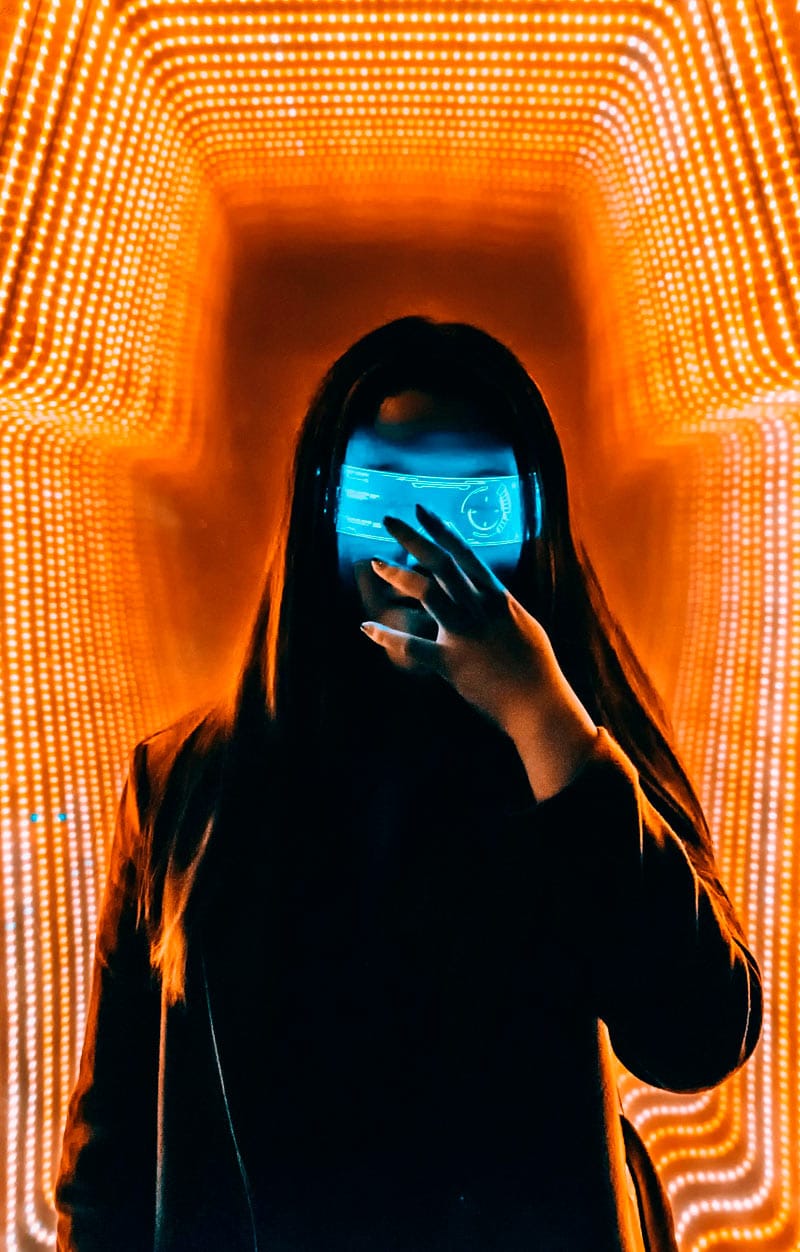
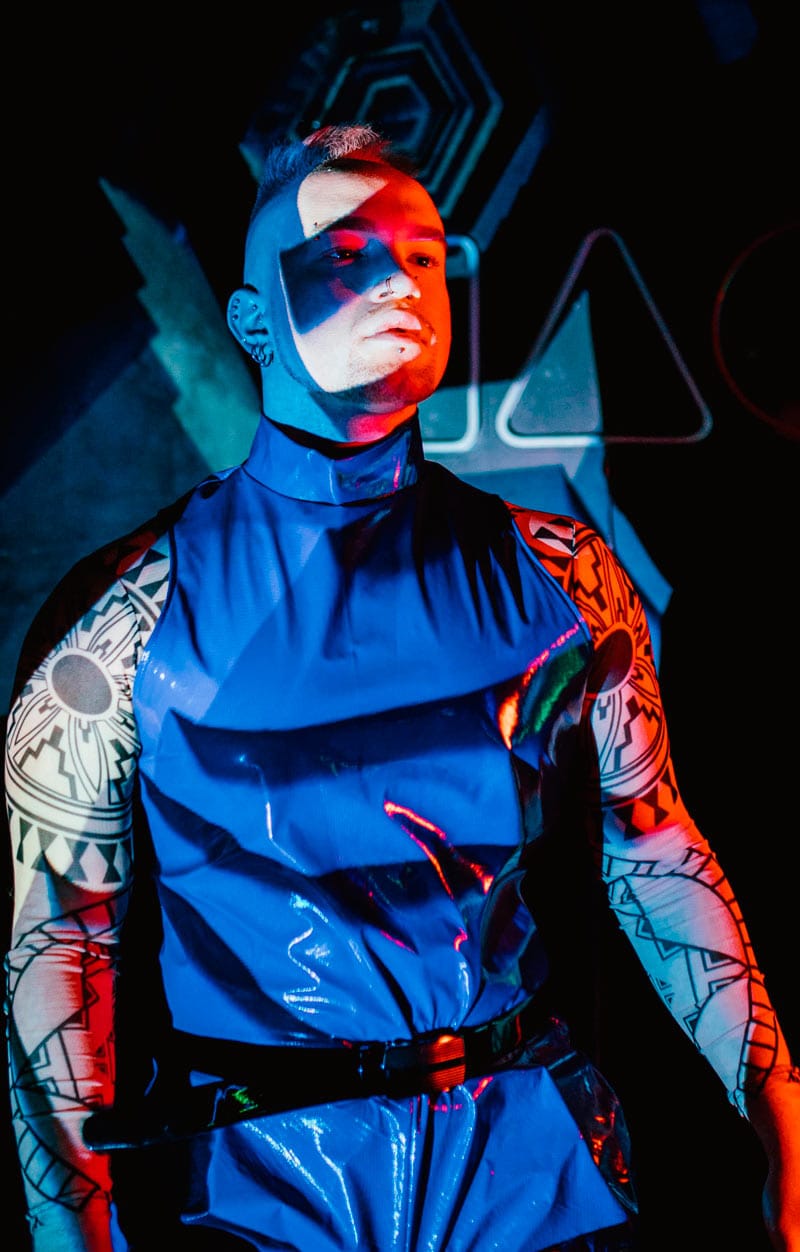
In 2026, fashion will find itself at an extraordinary intersection where clothing, creativity, and cutting-edge technology converge to redefine the runway experience. Imagine garments that respond to changes in climate, shifting effortlessly from lightweight layers into warming knits as temperatures drop, or dresses embedded with micro-LED fibers, lighting up in sync with a model’s heartbeat. Designers will embrace state-of-the-art production methods, using AI-driven pattern-making, 3D printing, and innovative biodegradable fibers to craft collections that are both eco-conscious and exquisitely detailed.
On the runway, expect to see models and drones working in harmony, orchestrated by advanced algorithms that ensure seamless choreography. The once-static catwalk will transform into an immersive environment, complete with interactive backdrops that morph according to audience engagement data collected in real time. Shoppers will participate remotely through VR headsets, stepping inside digital showrooms to zoom in on textiles, textures, and minute embellishments.
This heightened connectivity will collapse geographical barriers, inviting style enthusiasts from every corner of the globe to take part in exclusive, members-only live streams and digital afterparties.
At the heart of this technological revolution in fashion will be a deep commitment to individuality and personal expression. Customized, on-demand production will allow consumers to tweak silhouettes and color palettes, ensuring that each piece feels uniquely tailored. The fusion of technology and style will not only inspire a reimagined relationship between designers, makers, and wearers; it will push fashion beyond the traditional confines, heralding a new era of ingenuity and inclusivity for 2025 and beyond.
In 2025, technology is revolutionizing runway presentations by creating immersive and interactive experiences. Virtual and augmented reality (VR/AR) are being used to transport audiences to dynamic digital environments, while holographic displays showcase garments in three dimensions. Additionally, live-streaming and virtual fashion shows allow global audiences to participate in real-time, breaking geographical barriers and enhancing accessibility.
Key technological innovations include the use of smart fabrics and wearable technology that incorporate features like temperature regulation, lighting effects, and biometric sensors. 3D printing is enabling designers to create intricate, customized pieces with unprecedented precision and sustainability. Artificial intelligence (AI) is also playing a significant role in trend forecasting, design customization, and virtual fitting, allowing for more personalized and efficient fashion creation.
Designers are leveraging technology to enhance sustainability by utilizing eco-friendly materials and adopting circular fashion practices. Advanced recycling techniques and biofabrication are producing sustainable textiles with minimal environmental impact. Digital design tools and virtual sampling reduce waste by minimizing the need for physical prototypes. Additionally, blockchain technology ensures transparency in the supply chain, allowing consumers to trace the origins and lifecycle of their garments.


#20 Fashion Trend 2026: Minimalism Meets Maximalism
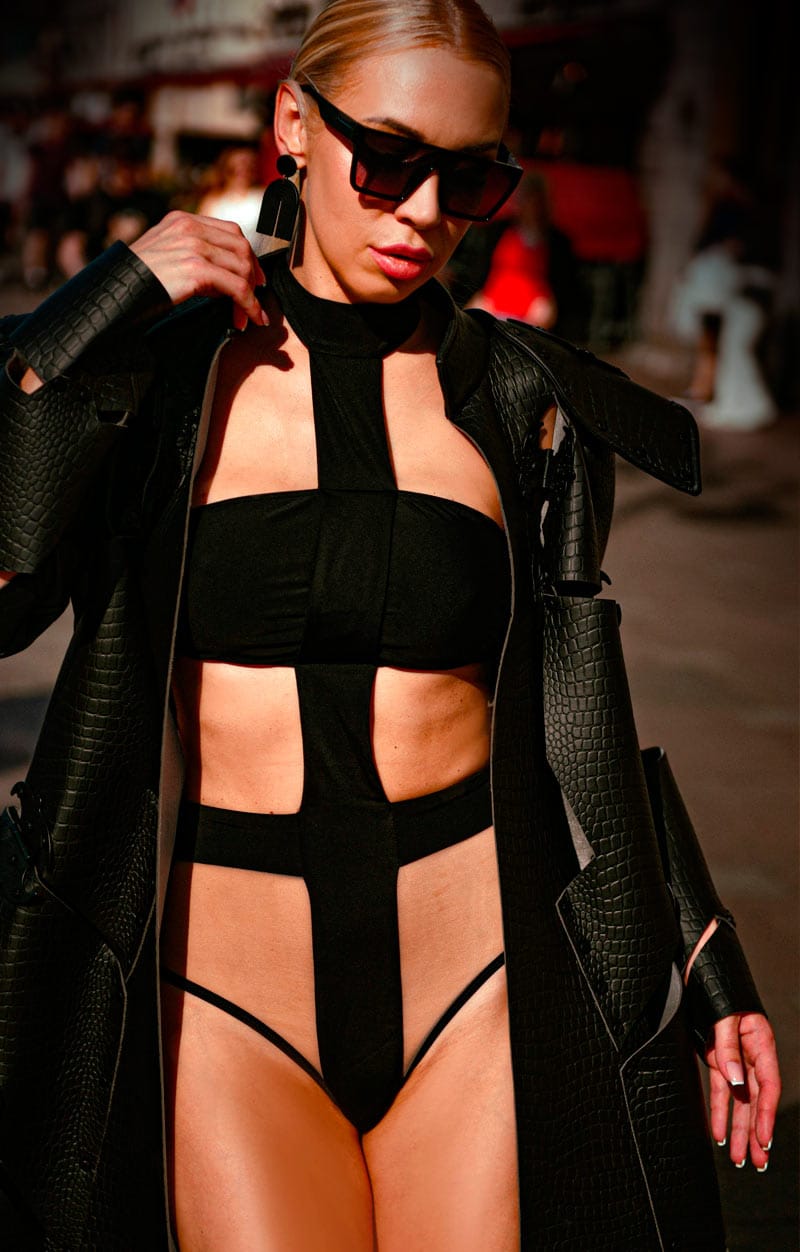
In 2026, the fashion landscape will embrace a daring aesthetic that flawlessly merges two seemingly opposite worlds: minimalism and maximalism. Expect designers to strip down traditional silhouettes to their purest forms, focusing on sleek lines, neutral color palettes, and timeless fabrics that exude understated elegance. Yet, rather than settling for traditional simplicity, these designers will transform minimalistic foundations with bold, extravagant accents, redefining what it means to make a statement.
Minimalism Meets Maximalism will also encourage a more mindful approach, fusing the calm of minimalist design with the vibrant energy of daring details. You’ll see silhouettes that champion sustainability and ethical production, featuring cutting-edge, bio-based materials and cruelty-free textures. This trend will come to life through striking contrasts: think tailored blazers paired with voluminous, sculptural skirts or monochrome jumpsuits embellished with vibrant, oversized jewelry. The interplay between restraint and exuberance will turn heads, challenging fashion norms and inspiring consumers to step confidently outside their comfort zones.
On runways and in street style alike, top fashion houses and emerging designers will collaborate with artists and technologists to experiment with digital prints, 3D-printed accessories, and augmented reality styling. Outfit components will be interchangeable and customizable, allowing for personal expression amid the restrained framework. From understated neutrals to eye-popping accents, Minimalism Meets Maximalism will define the 2026 fashion conversation, proving that, when it comes to style, less and more can come together to create something entirely fresh, forward-thinking, and irresistible.
“Minimalism Meets Maximalism” is a dynamic fashion trend for 2026 that seamlessly blends the clean, understated aesthetics of minimalism with the bold, expressive elements of maximalism. This fusion creates balanced looks that are both sophisticated and eye-catching, allowing for versatility and personal expression within a streamlined framework.
In 2026, designers will showcase collections featuring simple, elegant silhouettes enhanced with striking details such as vibrant colors, intricate patterns, or unique textures. Expect to see minimalist basics like tailored trousers or sleek dresses paired with statement accessories, oversized embellishments, or layered elements that add depth and interest without overwhelming the overall look.
Start by building a foundation of minimalist essentials – neutral tones, clean lines, and versatile pieces. Then, introduce maximalist touches through bold accessories like chunky jewelry, vibrant scarves, or patterned handbags. Alternatively, choose a standout garment with maximalist features and pair it with simple, understated pieces to maintain balance. This approach allows you to experiment with both styles while keeping your outfits cohesive and stylish.
#21 Fashion Trend 2026: Beyond Boundaries, Beyond Borders
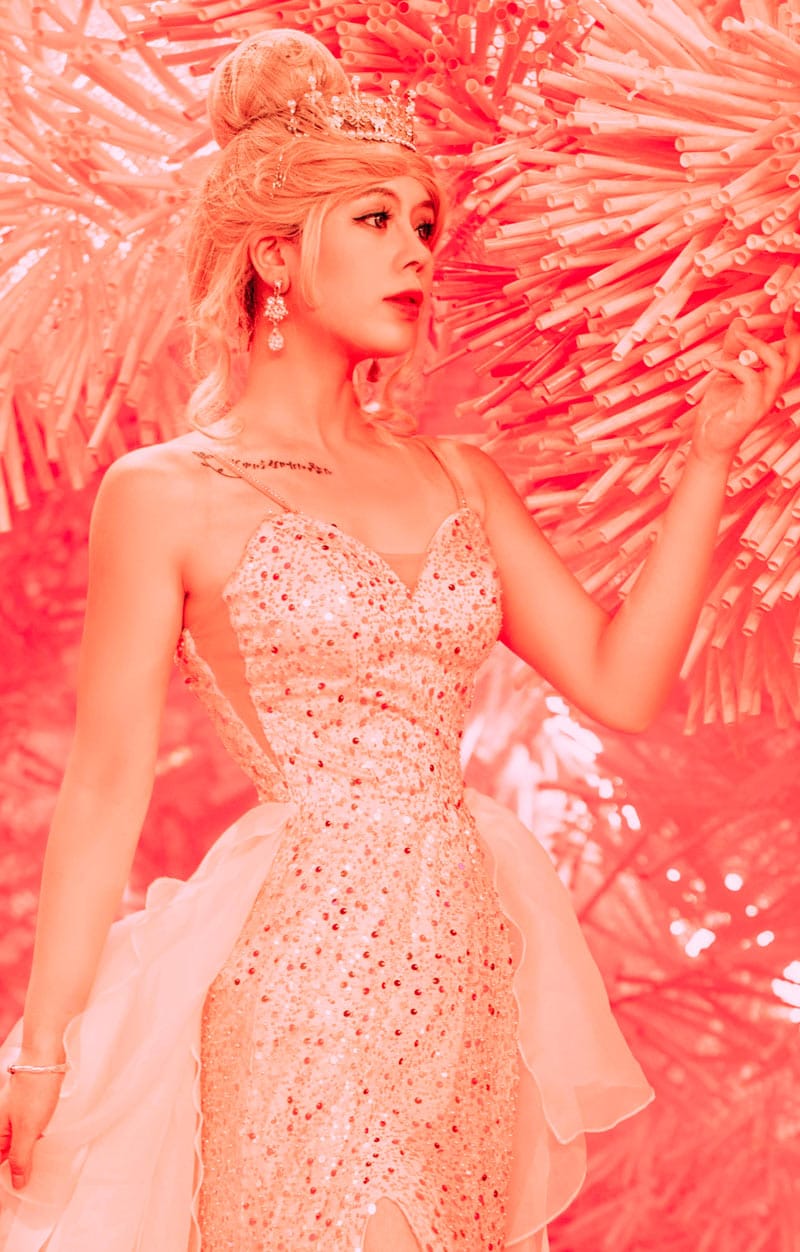
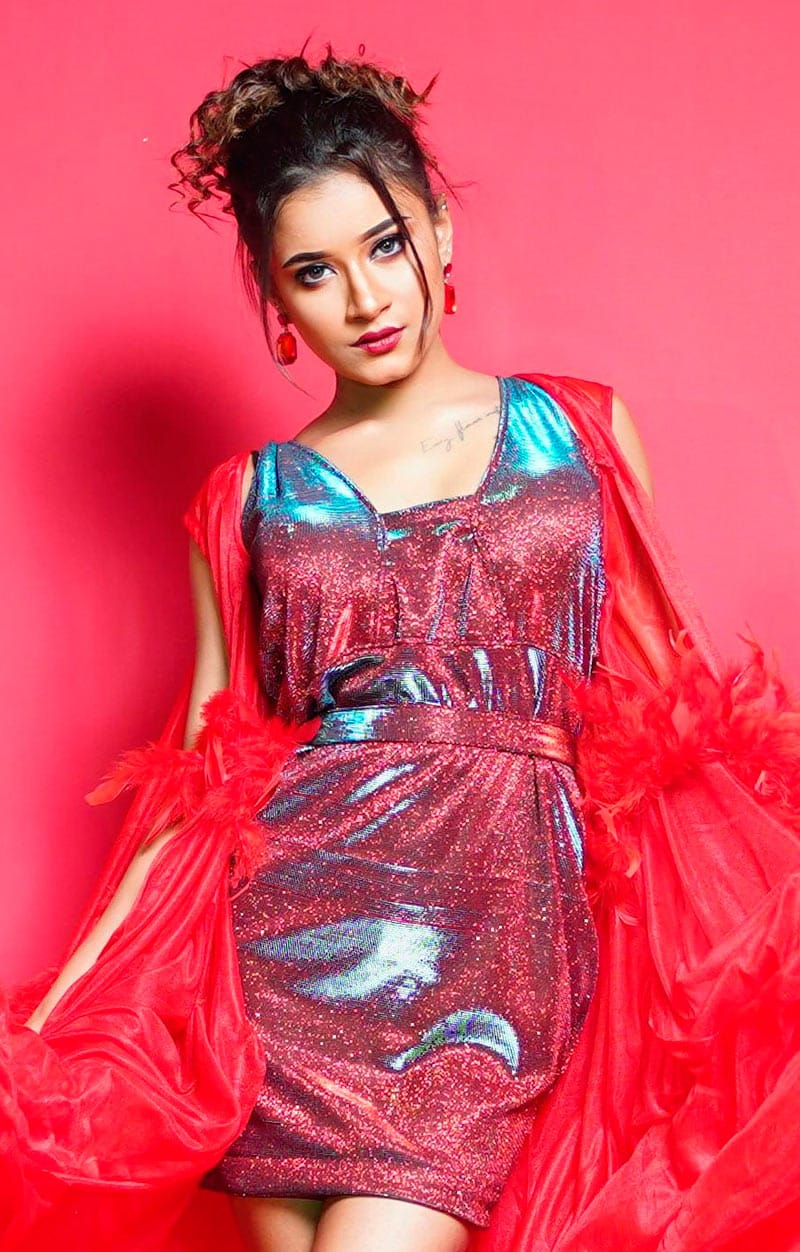
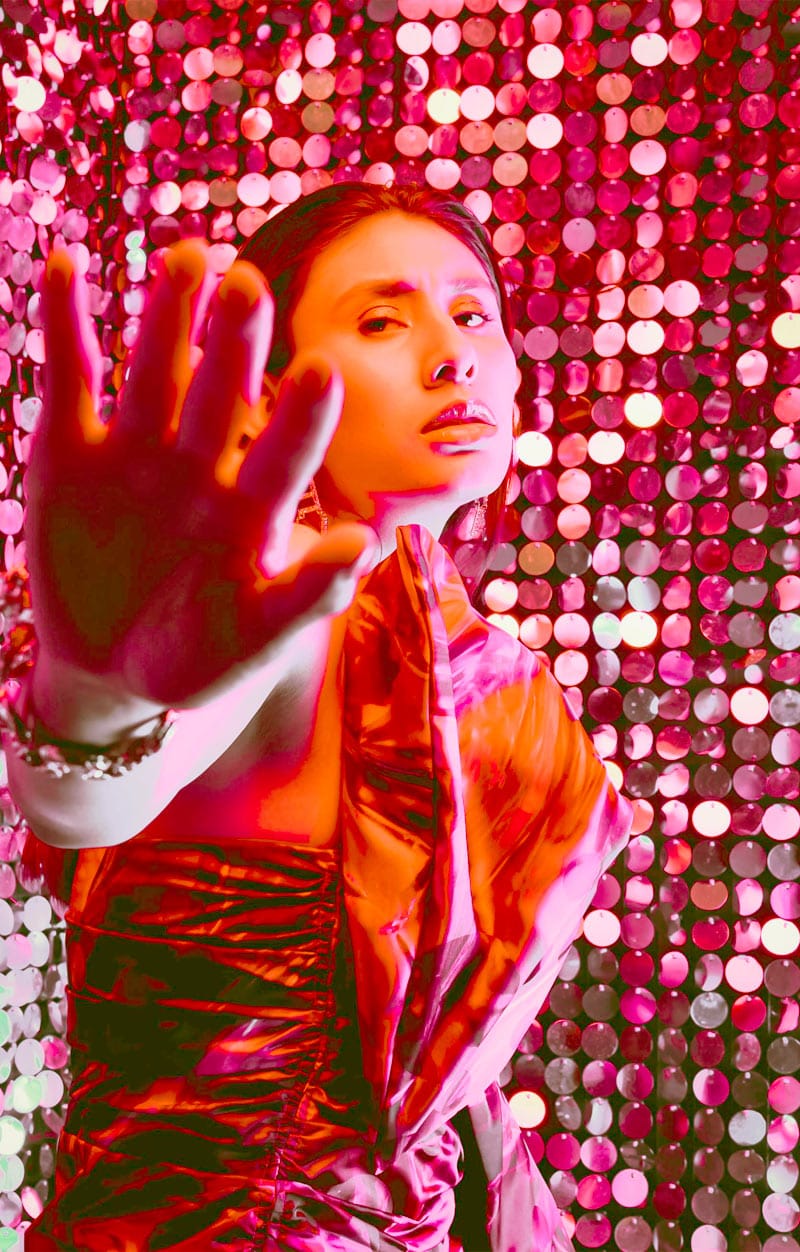
In 2026, fashion will transcend the traditional boundaries of geography and culture, ushering in a new era of global inspiration and shared creativity. Under the visionary banner of “Beyond Boundaries, Beyond Borders,” designers will blend influences from every corner of the globe, forging a new aesthetic language that links heritage craftsmanship to cutting-edge technology. The collections that emerge will no longer be defined by a single region or cultural identity; instead, they will champion universal connections that celebrate our collective diversity.
As forward-thinking brands embrace emerging materials, from sustainably sourced textiles to biotechnologically enhanced fabrics, they will push beyond environmental and ideological barriers. Eco-friendly processes, circular production methods, and digital customization will enable pieces to be crafted with unprecedented efficiency and ethical integrity. Expect garments that seamlessly fuse intricate embroidery techniques from one continent with bold, contemporary silhouettes perfected in another.
Runway presentations will become immersive cultural exchanges, featuring soundscapes, visuals, and performances that draw upon global traditions. Models of all backgrounds will wear pieces that transcend outdated notions of nationalism, showcasing the richness of our shared human story. Every stitch, every pattern, will invite dialogue, understanding, and respect.
“Beyond Boundaries, Beyond Borders” will challenge fashion aficionados to embrace a future that sees no limits. In 2026, you will witness a triumphant shift as style becomes an international conversation, enabling us to celebrate our differences while forging a vibrant, harmonious vision for the future of fashion. It will be a moment where the world’s closets merge into one.
“Beyond Boundaries, Beyond Borders” signifies a global fusion in fashion, where designers blend diverse cultural influences and innovative technologies to create universally appealing styles. This trend emphasizes the seamless integration of heritage craftsmanship with modern aesthetics, celebrating diversity and promoting a unified global fashion language.
In 2026, sustainability and technology play pivotal roles in “Beyond Boundaries, Beyond Borders.” Designers will utilize eco-friendly materials, such as sustainably sourced textiles and biotechnologically enhanced fabrics, alongside circular production methods. Digital customization and advanced manufacturing techniques will ensure ethical integrity and efficiency, allowing for the creation of unique, environmentally conscious garments.
Runway shows will transform into immersive cultural experiences, featuring a blend of global traditions through soundscapes, visuals, and performances. Expect diverse models showcasing collections that merge intricate traditional embroidery with bold contemporary silhouettes. These presentations will highlight the interconnectedness of different cultures, fostering dialogue and celebrating the rich tapestry of our shared human heritage.
FSHN ⭐ Fashion Magazine Editorial Team

Oleg Parashchak, Editor-in-Chief

Tanya Mykhailova, Senior Art Director

Nataly Kramer, Senior Editor

FSHN ⭐ Fashion Magazine provides style enthusiasts worldwide with fresh perspectives on fashion. The platform highlights the latest trends, cutting-edge collections, and trailblazing designers shaping the industry’s future.
Fashion at FSHN goes beyond clothing. It’s a dynamic form of self-expression and cultural influence. The editorial team delivers curated content on high fashion, streetwear, sustainable styles, and avant-garde designs. Readers get exclusive runway coverage, trend analysis, designer interviews, and behind-the-scenes stories — offering a comprehensive view of the fashion world.
FSHN serves as a platform for both rising talents and established icons. It fosters a community where diverse voices and groundbreaking ideas thrive. With interactive content, real-time updates, and multimedia experiences, FSHN keeps its audience connected to the pulse of global fashion.
Join the FSHN community and explore a world where style has no limits. Discover tomorrow’s trends, connect with creative visionaries, and elevate your fashion journey with FSHN — where the future of fashion takes shape.